
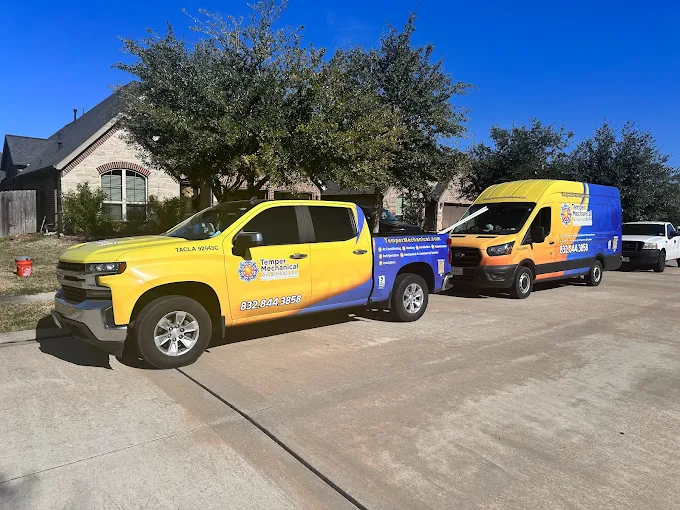
Water Softener and Water Filtration Systems in Richmond, TX
If your shower glass is never clear, your dishwasher leaves a white film and your tap water tastes like a swimming pool, the cause is usually two things at once: hard water and chloramine. Most homes in Richmond and Sugar Land have both. Temper Mechanical tests your water first, then installs the softener, filter or drinking water system that fixes what the test actually shows. Our licensed plumbers do the install, so it's sized, plumbed and drained correctly.
Call (346) 485-8142 to book a water test and installation quote.
Book Your Water Test
Tell us what you are noticing, like white crust, spotty dishes or a chlorine taste, and who supplies your water. We will call you back to set up a test and give you a written quote.
- Water test before any recommendation
- Licensed Master Plumber
- Written quote first
What Is Actually in Richmond and Sugar Land Tap Water
Your water is safe to drink. The City of Richmond's water meets EPA and TCEQ standards, and TCEQ rates the system "Superior." Safe water can still be hard on your home and taste bad, though. Here is what you're dealing with in this part of Fort Bend County.
| Where you live | Hardness | Disinfectant | What it means for you |
|---|---|---|---|
| City of Richmond (Main System, including MUD 187, MUD 207, MUD 215 and Williams Ranch MUD 1) | About 9.76 grains per gallon (hard) | Chloramine since September 2017 | Scale on fixtures and water heaters, plus a chlorine taste that a basic carbon filter won't fully remove |
| Sugar Land Main System | 2.0 to 12.3 grains per gallon, depending on the blend | Chloramine since 2013, with a temporary switch to free chlorine each spring | Hardness can change week to week, so the softener needs to be set for the high end |
| Sugar Land's Greatwood, New Territory and RiverPark systems | Varies by well | Free chlorine | A standard carbon filter handles the chlorine; hardness still needs a softener |
| Homes on a MUD or private well | Depends on the supplier or well | Varies | We test on site, because published city numbers won't apply to you |
Two local facts drive most of our recommendations. First, Richmond's water is a blend of groundwater and treated Brazos River water, and Sugar Land's Main System is a similar mix. When the blend shifts, so do hardness and taste. Second, chloramine is chlorine bonded with ammonia. It lasts longer in city pipes, which is why cities use it, but that same stability means it gets past the ordinary carbon filters sold at big box stores.
Not sure which supplier you have? Your water bill tells you. If it comes from a MUD rather than the City, tell us when you call and we'll bring the right test.
Signs Your Home Needs Water Treatment

- White crust on faucets, showerheads and the glass door that comes back days after you clean it. That's calcium and magnesium.
- Cloudy glasses and spotty dishes straight out of the dishwasher.
- Soap that won't lather, and laundry that feels stiff even with extra detergent.
- A water heater that pops, rumbles or takes longer to heat. That noise is scale on the bottom of the tank.
- A tankless water heater throwing scale or flow error codes sooner than the manual says it should.
- Pool or bleach smell from the tap, especially first thing in the morning.
- Dry skin and dull hair after showers.
- Brown or orange stains, which point to iron. This is more common on wells than on city water.
Softener, Filter or Both: What Each System Fixes
This is where most homeowners get sold the wrong thing. A softener and a filter solve different problems, and neither one does the other's job.
| System | What it fixes | What it does not fix | Best for |
|---|---|---|---|
| Water softener (salt based ion exchange) | Removes calcium and magnesium. Stops scale, spots and poor lather. | Chlorine, chloramine, taste or odor | Any home on Richmond city water or hard MUD water |
| Whole home catalytic carbon filter | Reduces chloramine, chlorine, taste and odor at every tap and shower | Hardness. Scale keeps forming. | Homes on chloramine water that want better tasting water everywhere |
| Standard carbon filter | Reduces free chlorine, taste and odor | Chloramine (only partly), hardness | Homes on free chlorine systems such as Greatwood or New Territory |
| Reverse osmosis (under the kitchen sink) | Reduces dissolved solids, sodium, lead and many other contaminants in drinking and cooking water | Anything at the other taps in the house | Drinking water, coffee, ice makers, baby formula, households watching sodium |
| Salt free conditioner | Changes how minerals behave so less scale sticks | Does not remove hardness. Spots and poor lather stay. | Owners who want no salt and accept partial results. Performance drops as hardness climbs toward 10 grains. |
For a typical Richmond home on city water, the setup that solves everything is a whole home catalytic carbon filter, then a softener, then reverse osmosis at the kitchen sink. The order matters. The carbon filter goes first so chloramine never reaches the softener resin, which helps the resin last longer.
Why Salt Free Systems Often Disappoint Here
Salt free conditioners are popular because there's no salt to buy and no drain line. But they don't take hardness out of the water. A water test after install reads the same grains per gallon as before. At Richmond's level of about 9.76 grains, that puts you right at the edge of where these systems start to fall short, and Sugar Land's blend can go higher. If your main complaint is spotty glass, white crust or soap that won't lather, a salt free unit won't fix it. We'll install one if you want it, but we'll tell you what to expect first.
How We Size a Softener for Your Home
An undersized softener runs out before it regenerates, and hard water slips through. An oversized one regenerates too rarely and wastes salt and water. Here's the math we use, with a real Richmond example:
- Daily water use. About 75 to 80 gallons per person. A family of four uses roughly 300 gallons a day.
- Hardness. Measured at your tap. We use about 10 grains per gallon for Richmond city water and add more if your test shows iron.
- Daily load. 300 gallons × 10 grains = about 3,000 grains removed every day.
- Regeneration window. We aim for a cycle every 7 to 10 days, which means the softener needs to handle roughly 21,000 to 30,000 grains between cycles.
- Efficient setting. We pick a unit that meets that load at an efficient salt setting rather than at its maximum rating. That keeps salt use down.
We also check your plumbing size and peak flow. A large home with several showers running at once needs a valve and tank that won't drop your water pressure.
Sodium in Softened Water
A salt based softener adds about 8 mg of sodium per liter for every grain of hardness it removes. On Richmond water, that's roughly 75 to 80 mg per liter. For most people that's a small amount compared with food. If someone in your home follows a low sodium diet on a doctor's advice, you have two simple options:
- Add reverse osmosis at the kitchen sink. It removes most of the sodium from the water you drink and cook with.
- Use potassium chloride instead of salt in the brine tank. It costs more per bag but adds no sodium.
Installation Details That Make or Break a System
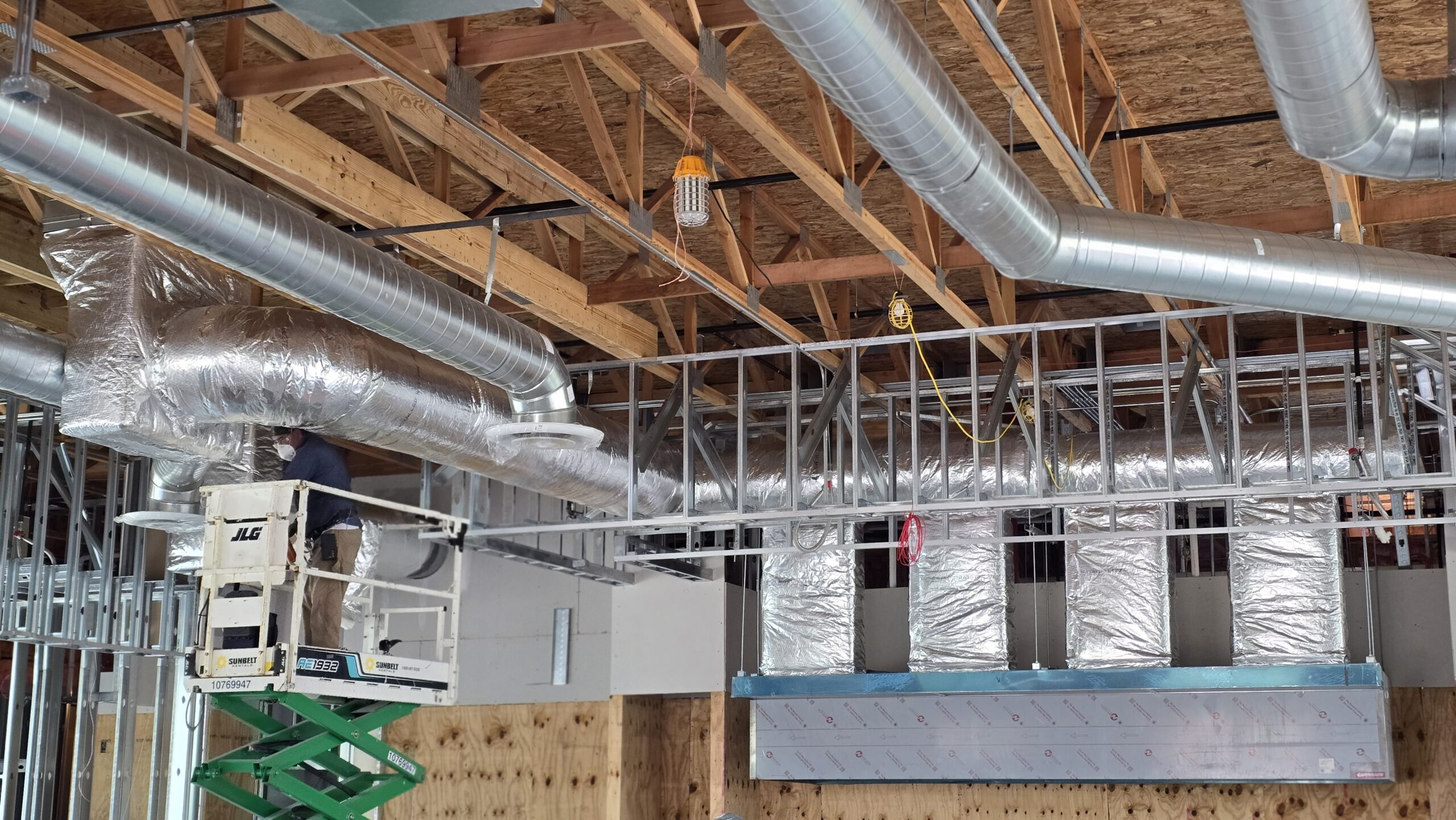
- Softener loop. Many newer homes in Fort Bend master planned communities have a softener loop already plumbed in the garage. If yours does, installation is simpler. If not, we tie into the main line where it enters the house.
- Outdoor water. Irrigation and hose bibs usually stay on unsoftened water. Softening lawn water wastes salt and isn't good for plants.
- Drain line with an air gap. The softener and carbon backwash must drain through an air gap so wastewater can't siphon back into your drinking water. Skipping it is a code violation and a common shortcut.
- Bypass valve. Every system gets one, so you can keep water flowing during service or a problem.
- Freeze protection. Garage installs can freeze on nights like the ones Fort Bend saw in February 2021 and January 2024. We insulate exposed piping and show you how to protect the unit.
- Certified equipment. We use equipment certified to NSF/ANSI standards: Standard 44 for softeners, 42 and 53 for filters, and 58 for reverse osmosis.
- Settings programmed to your water. We program the hardness, household size and regeneration time to your test results, not left at factory defaults.
Licensed Plumbers, Not Just Equipment Sellers
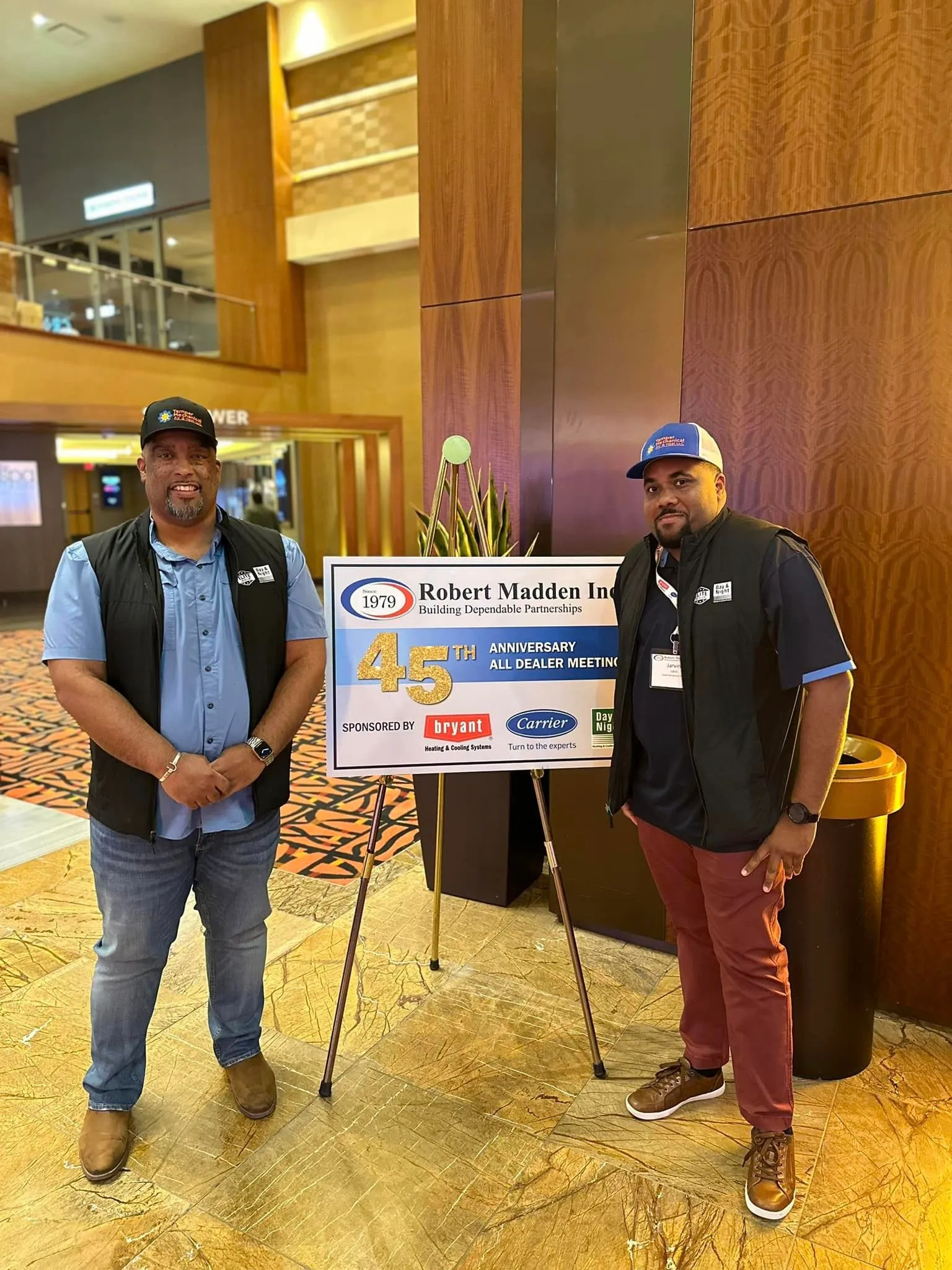
In Texas, anyone paid to install or service water treatment equipment must hold a Water Treatment Specialist license from TCEQ or a plumbing license from the Texas State Board of Plumbing Examiners. Temper Mechanical installs under Plumbing License MPL 45322. That matters because a softener touches your main water line, your drain system and your water heater. When the job also needs a new shutoff valve, a pressure regulator or a water heater flush, the same crew handles it.
Before you sign with anyone, ask for their license number and check it with TCEQ or TSBPE. Door to door water sales are common in Fort Bend County, and a "free water test" that ends with a high pressure pitch is a red flag.
Our Process
- Water test at your home. We test hardness, chlorine or chloramine, total dissolved solids and iron, and look at your current fixtures and water heater for scale.
- Plain explanation. We show you the numbers and what each one means for your home.
- Written recommendation and quote. One option or a combination, sized to your household. You see the full price before any work starts.
- Clean installation. Most installs are finished in a single visit. We flush the system, program it and test the water again so you can see the difference.
- Walkthrough. We show you how to add salt, use the bypass and know when filters are due.
What Affects the Cost
We give a written quote after testing, because the right system depends on your water and your home. The main factors are:
- Your hardness level and household size, which set the softener capacity
- Whether you need chloramine filtration, which calls for catalytic carbon
- Whether your home has a softener loop or needs new plumbing to the main line
- Adding reverse osmosis at the kitchen sink or a line to the refrigerator
- Removing and hauling away an old system
Call (346) 485-8142 for a written quote.
Keeping Your System Working
- Check the salt monthly. Keep the tank about half full.
- Watch for salt bridges. Garage humidity in the Houston area can make salt fuse into a hard crust above the water. The tank looks full, but the softener isn't regenerating. Push a broom handle down gently to break it up.
- Replace RO filters about every 6 to 12 months, and the membrane every 2 to 3 years, depending on use.
- Replace carbon media on schedule. Chloramine wears down carbon faster than plain chlorine, so we size and schedule it for your water.
- Expect a spring taste change in Sugar Land. The City switches the Main System to free chlorine for about 30 days each spring. Your water may smell stronger for a few weeks. That's normal, and your carbon filter handles it.
- Flush your water heater once a year if you've had years of hard water. Softening stops new scale, but old scale stays in the tank until it's flushed.
Related Plumbing Services
Water treatment is one part of protecting your plumbing. See our plumbing services in Richmond for water heaters, leak detection and repiping. Slow drains are a separate problem from hard water, and our drain cleaning service covers them. If water is coming through a ceiling or a supply line has burst, go to emergency plumbing in Richmond or emergency plumbing in Sugar Land. Want a leak sensor next to your new softener or water heater? See our smart home and leak protection page. For businesses, restaurants and facilities, visit our commercial HVAC and plumbing services.
Temper Mechanical is also a full HVAC company in Richmond, so you can book water treatment and an AC or heating tune up in the same visit.
Areas We Serve
We install and service water softeners and filtration systems in Richmond, Sugar Land, Rosenberg, Pecan Grove, Katy, Cinco Ranch and Houston. Every home gets a test before a recommendation, whether it's on city, MUD or well water.
Frequently Asked Questions
City of Richmond water runs about 9.76 grains per gallon, which counts as hard. Sugar Land's Main System ranges from about 2 to 12 grains depending on its groundwater and surface water blend. Homes on MUD or well water can be different, so we test at your tap.
No. A softener only removes hardness minerals. To reduce chloramine, you need a whole home catalytic carbon filter or reverse osmosis for drinking water. On chloramine water, we install the carbon filter ahead of the softener so it also protects the softener resin.
Only partly. Richmond uses chloramine, which standard carbon removes slowly and incompletely. Catalytic carbon is made for chloramine and lasts much longer on this type of water.
For most people, yes. It adds about 8 mg of sodium per liter for each grain of hardness removed, roughly 75 to 80 mg per liter on Richmond water. If anyone in your home is on a low sodium diet, add reverse osmosis at the kitchen sink or use potassium chloride in the softener.
They reduce scale buildup in some homes, but they don't remove hardness, so spots on glass and poor lather remain. They work best on moderately hard water. At Richmond's hardness, a salt based softener gives much more reliable results.
A good softener usually lasts 10 to 15 years or more. The control valve and resin are the main wear parts. Putting a carbon filter ahead of it on chloramine water helps the resin last.
Yes. We tie into the main line where it enters your home, add a bypass and run a proper drain with an air gap. It adds some labor compared with a home that already has a loop, and we'll include that in your written quote.
The City temporarily switches its Main System from chloramine to free chlorine for about 30 days each spring and flushes the lines. It's routine maintenance. A carbon filter removes the stronger taste and smell.
Get Better Water at Every Tap
Stop scrubbing the same white crust off your fixtures every week. Get your water tested and get a system sized to what's actually in it, installed by licensed plumbers who stand behind the work.
Call (346) 485-8142 to schedule a water test.
Office hours: Monday to Sunday, 8:00 AM to 7:00 PM. Emergency plumbing available 24/7.
Call (346) 485-8142 Temper Mechanical Air & Heat, LLC6115 FM 762 Suite 1200, Richmond, TX 77469 · (346) 485-8142 · info@tempermechanical.comPlumbing License MPL 45322, regulated by the Texas State Board of Plumbing Examiners · HVAC License TACLA 92943C, regulated by the Texas Department of Licensing and Regulation, P.O. Box 12157, Austin, TX 78711
Prefer to Message Us?
Leave your name, number and a quick note about your water. A real person from our Richmond office will call you back to book your water test.
- Water test first
- Written price first
- Licensed MPL 45322