
Finding a trustworthy HVAC contractor shouldn’t feel like gambling. Your heating and cooling system is one of the most important and expensive components of your home. When it needs service, installation, or repairs, you need someone reliable. Someone who shows up on time, does quality work, charges fairly, and stands behind what they do.
But how do you find that contractor when you’re staring at dozens of options online? Big national chains with huge advertising budgets. Local companies you’ve never heard of. Franchise operations with recognizable names. Independent contractors with mixed reviews.
After years in this industry watching homeowners make both good and bad choices about who to trust with their HVAC systems, I can tell you there’s a systematic way to separate the reliable professionals from everyone else.
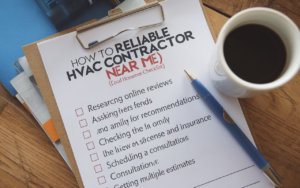
Let me give you a practical checklist that takes the guesswork out of finding an HVAC contractor you can actually count on.
Check Licensing and Insurance First
This isn’t exciting, but it’s absolutely essential. Before you consider anything else about a contractor, verify they’re properly licensed and insured.
HVAC work requires specific licensing because it involves electrical systems, refrigerants, gas lines, and other components that can be dangerous when handled improperly. Licensed contractors have met training requirements, passed examinations, and demonstrated competency in their field.
Insurance protects you if something goes wrong. If a technician damages your property or gets injured on your job, proper insurance coverage means you’re not liable. Working with uninsured contractors puts your home and finances at serious risk.
What to verify:
- State HVAC contractor license (check with your state licensing board)
- General liability insurance
- Workers compensation insurance
- Current and up to date coverage
Don’t take their word for it. Ask to see proof of insurance and verify the license number through official channels. According to the Better Business Bureau, confirming credentials is the single most important step in contractor selection.
Reliable contractors provide this information readily because they know it matters. If someone hesitates or makes excuses about licensing and insurance, that’s your signal to keep looking.
Read Reviews But Read Them Smartly
Online reviews offer valuable insight into how contractors actually perform, but you need to read them intelligently. Don’t just look at the star rating. Dig into what people are actually saying.
Look for patterns in reviews. If multiple customers mention the same positive qualities like punctuality, clear communication, or fair pricing, that tells you something. Similarly, if several reviews cite the same problems, take that seriously.
Pay attention to how contractors respond to negative reviews. Everyone gets an unhappy customer occasionally. What matters is how they handle it. Do they respond professionally? Do they try to make things right? Or do they get defensive and make excuses?
Where to check reviews:
- Google Business Profile
- Better Business Bureau
- Yelp
- Nextdoor (for local neighborhood feedback)
Be wary of contractors with exclusively five star reviews that all sound similar. Those might be fake. Real reviews include specifics about the work done, the technician’s name, and genuine details that show actual customer experience.
Also watch for reviews that mention reliable local HVAC services because those often come from homeowners who’ve had multiple interactions and can speak to consistency over time.
Ask for References From Recent Jobs
Any established contractor should be able to provide references from recent customers. Not just any customers, but specifically people who had work similar to what you need done.
If you need installation, ask for references from recent installations. If you need complex repairs, ask to speak with customers who had similar repairs. Recent references matter more than ones from five years ago because they reflect current quality and service standards.
Questions to ask references:
- Was the work completed on schedule?
- Did the final cost match the estimate?
- How was communication throughout the project?
- Were workers professional and respectful of your home?
- Did anything go wrong, and how was it handled?
- Would you hire them again?
Most people are happy to share their experiences when asked. If a contractor can’t or won’t provide references, that’s a red flag. Reliable professionals have satisfied customers who’ll vouch for their work.
Verify Experience With Your Specific Needs
Not all HVAC contractors do everything equally well. Some specialize in residential work. Others focus on commercial systems. Some are great at installations but less experienced with complex diagnostics. Some handle new construction but struggle with retrofitting older homes.
You want a contractor whose experience aligns with your specific needs. If you’ve got an older home with unique challenges, you need someone who’s worked on similar properties. If you’re installing a high efficiency system, you want contractors who specialize in that equipment.
Questions to ask:
- How long have you been in business?
- How many jobs like mine have you completed?
- What brands and systems do you work with regularly?
- Do you have specific experience with [your home type or system]?
According to Angi, contractors with at least five years of experience and specific expertise in your project type deliver better outcomes than general practitioners trying to handle everything.
Companies like Temper Mechanical Air & Heat LLC that have served local communities for years develop deep expertise with the specific challenges homes in their service area face. That local experience matters more than national brand recognition.
Get Multiple Written Estimates
Never hire based on one estimate. Get at least three written quotes from different contractors so you can compare approaches, pricing, and professionalism.
Pay attention to how detailed the estimates are. Good estimates break down labor, materials, specific equipment models, warranty information, and timelines. Vague estimates that just give a total number don’t give you enough information to make an informed decision.
Red flags in estimates:
- Significantly lower price than everyone else (often means cut corners)
- Significantly higher price without clear justification
- Pressure to decide immediately
- Reluctance to put everything in writing
- Vague descriptions of work to be performed
Be cautious of contractors who won’t provide written estimates or who pressure you to sign immediately with claims that pricing is only good today. Reliable contractors give you time to consider your options.
The lowest bid isn’t always the best value. Sometimes it means inferior materials, less experienced technicians, or shortcuts that cause problems down the road. Focus on overall value rather than just bottom line price.
Evaluate Communication and Professionalism
How a contractor communicates before they have your business tells you a lot about how they’ll communicate after.
When you call or email, how quickly do they respond? When they show up for estimates, are they on time? Do they listen to your concerns and answer questions clearly? Do they explain options without talking down to you?
Signs of good communication:
- Prompt responses to calls and emails
- Clear explanations in plain language
- Patience with questions
- Written documentation of discussions
- Follow through on commitments
Poor communication before a job starts only gets worse once work begins. If a contractor is hard to reach during the sales process, they’ll be impossible to reach when you need support after installation.
Professional contractors treat your time and concerns with respect. They show up when they say they will. They explain technical issues in ways you can understand. They return calls promptly. These might seem like small things, but they indicate an overall approach to customer service.
Understand Warranty Coverage Clearly
Warranties matter enormously in HVAC work. Equipment comes with manufacturer warranties, but quality contractors also offer warranties on their labor and installation.
Make sure you understand exactly what’s covered and for how long. What happens if something goes wrong six months after installation? What about two years later? Who handles warranty claims, and how responsive are they?
Questions about warranties:
- What manufacturer warranty comes with the equipment?
- What labor warranty do you offer?
- Who handles warranty service?
- Are there any exclusions or conditions?
- Is there a maintenance requirement to keep warranties valid?
Get warranty information in writing as part of your contract. Don’t rely on verbal promises about coverage. According to Consumer Reports, clear written warranty terms are one of the most important protections for major home system investments.
Contractors confident in their work offer solid warranties because they know their installations hold up. Be wary of contractors who minimize warranty importance or offer unusually short coverage periods.
Verify They Offer Ongoing Maintenance
Your relationship with an HVAC contractor shouldn’t end after installation or repair. Regular maintenance services keep systems running efficiently and catch small problems before they become expensive emergencies.
Find out if the contractor offers maintenance plans or ongoing service agreements. This tells you they’re interested in long term relationships, not just one time transactions.
Good maintenance programs include:
- Scheduled tune-ups (typically twice yearly)
- Priority service for plan members
- Discounts on repairs
- Comprehensive system checks
- Detailed service records
Contractors who offer maintenance plans have incentive to do quality installation work. They know they’ll be servicing what they install for years to come. That accountability drives better workmanship upfront.
Check for Manufacturer Certifications
Many HVAC equipment manufacturers certify contractors who meet specific training and performance standards. These certifications indicate the contractor has specialized knowledge about particular brands and systems.
Manufacturer certified contractors often receive better warranty support, access to technical resources, and ongoing training on new products. This benefits you through better installation, more knowledgeable service, and smoother warranty claim handling.
Common certifications to look for:
- Carrier Factory Authorized Dealer
- Trane Comfort Specialist
- Lennox Premier Dealer
- Rheem Pro Partner
These certifications aren’t everything, but they demonstrate commitment to professional development and manufacturer relationships that support quality work.
Trust Your Instincts About People
Beyond credentials and reviews, pay attention to your gut feeling about the people you’re dealing with. Do they seem honest and straightforward? Do you feel comfortable with them coming into your home? Do they treat you with respect?
HVAC contractors will be in your home, sometimes for hours or days. You need to feel comfortable with them and trust they’ll treat your property respectfully.
If something feels off about a contractor, even if you can’t pinpoint exactly why, honor that instinct. There are plenty of qualified contractors. You don’t have to work with someone who makes you uncomfortable.
The Local Advantage
While this checklist applies to finding contractors anywhere, there’s real value in choosing established local companies that serve your specific area.
Local contractors respond faster because they’re nearby. They understand regional challenges like climate impacts, common home construction types, and local code requirements. Their reputation depends on community word of mouth, so they’re motivated to maintain quality.
At Temper Mechanical Air & Heat LLC, we’ve built our business on being the trusted HVAC contractor Richmond, Rosenberg, and surrounding communities rely on. We’re not a national chain rotating technicians through territories. We’re local professionals invested in serving our neighbors with integrity and expertise.
Make Your Choice Confidently
Finding a reliable HVAC contractor doesn’t have to be overwhelming when you approach it systematically. Use this checklist to evaluate your options methodically instead of guessing or going with whoever has the flashiest ad.
Verify licensing and insurance. Read reviews intelligently. Check references. Confirm relevant experience. Compare detailed written estimates. Evaluate communication quality. Understand warranties. Look for ongoing maintenance options. Check manufacturer certifications. And trust your instincts.
When you find a contractor who checks all these boxes, you’ve found someone you can trust with your home’s comfort and your hard earned money.