
How Long Does a Furnace Last in Sugar Land? (Real Lifespan Factors)
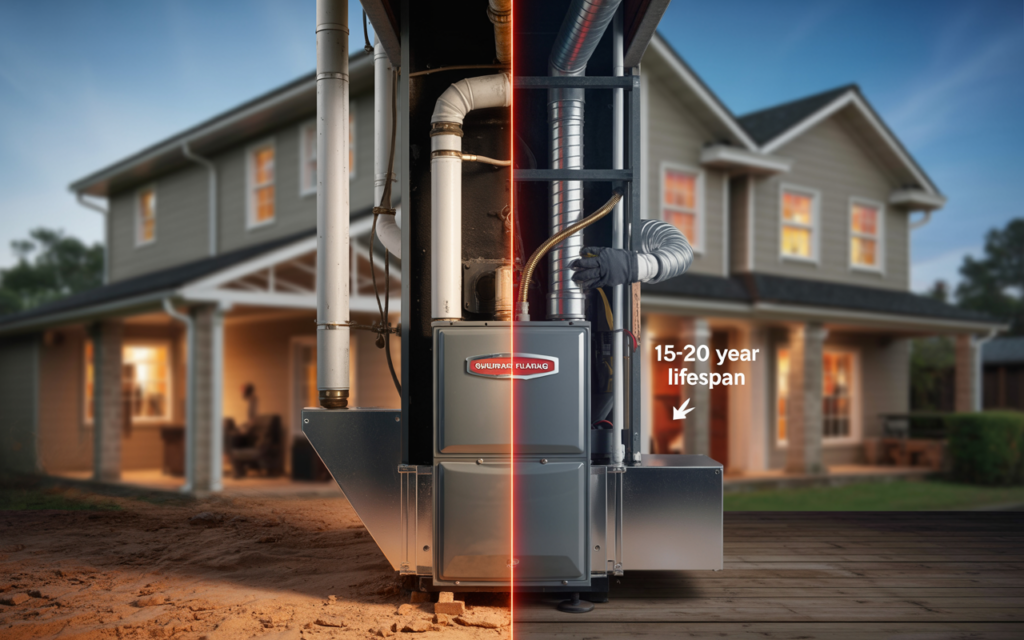
You’re standing in front of your furnace on the first cold morning of the year, hoping it fires up without problems, and wondering how much longer this system will keep running. Maybe it’s been making strange noises lately. Perhaps your energy bills have crept higher. Or you’re simply trying to plan ahead financially and want to know if furnace replacement is in your near future. Understanding furnace lifespan isn’t just about guessing how many years you have left. It’s about recognizing the factors that affect longevity, spotting signs that your system is declining, and making smart decisions about repair versus replacement. For Sugar Land homeowners, our unique climate creates conditions that impact furnace durability differently than what you’d experience in colder regions. Let’s break down what you can realistically expect from your heating system and how to maximize the years you get from it. The Standard Furnace Lifespan Range Most furnaces last between 15 and 20 years with proper maintenance and normal use. This is the range manufacturers design for and what HVAC professionals typically see in the field. Some well-maintained systems exceed 20 years, while neglected units fail well before reaching 15. However, this standard range assumes consistent use in moderate climates. Sugar Land’s heating patterns don’t quite fit that mold, which affects how we should think about furnace longevity here. Why Sugar Land Furnaces Age Differently Sugar Land’s mild winters mean your furnace experiences very different demands than systems in places like Minnesota or Colorado. We might use heat heavily for a few days or weeks during cold snaps, then not touch it for months. This intermittent use pattern creates unique aging characteristics. Long periods of inactivity allow dust to accumulate on components, seals and gaskets to dry out, and mechanical parts to stiffen. When your furnace finally fires up after sitting unused for months, everything works harder than systems that run regularly throughout defined heating seasons. Humidity affects furnace components even when systems aren’t running. Sugar Land’s moisture can contribute to corrosion on metal parts, particularly if your furnace is located in an unconditioned attic where humidity levels fluctuate significantly. Infrequent maintenance happens more often here because homeowners don’t think about heating systems as much as cooling. When you rely on your AC nine months a year but your furnace only a few weeks, it’s easy to neglect the heating side until problems develop. Temperature extremes during summer impact attic-installed furnaces. While not running, your furnace sits in an attic that can reach 140°F or higher during July and August. This prolonged heat exposure ages components faster than they would in climate-controlled locations. These factors mean Sugar Land furnaces might last longer than their heavily-used northern counterparts because they accumulate fewer operating hours, but they also face unique stresses that can accelerate certain types of deterioration. What Determines Your Specific Furnace’s Lifespan Beyond climate and usage patterns, several factors influence how long your particular furnace will serve your home reliably. Installation Quality Properly installed furnaces last significantly longer than systems installed incorrectly. Quality installation means correct sizing for your home’s heating needs, proper venting and combustion air supply, electrical connections done to code, gas line work completed safely, and thorough testing before the installer considers the job finished. Poor installation creates problems that shorten lifespan dramatically. Undersized furnaces run constantly trying to keep up, wearing out faster. Oversized units short-cycle, starting and stopping frequently in ways that stress components. Improper venting can cause backdrafting and incomplete combustion that damage heat exchangers. If your furnace was installed by the lowest bidder who rushed through the job, it probably won’t reach the typical 15 to 20-year range regardless of how well you maintain it. Maintenance History Regular professional maintenance is the single biggest factor homeowners control that affects furnace longevity. Annual tune-ups catch small problems before they cascade into failures, keep components clean and operating efficiently, verify safe operation, and reduce the stress that ages systems prematurely. Furnaces that receive annual professional service consistently outlast neglected systems by years. The investment in maintenance pays back many times over through extended equipment life, fewer emergency repairs, and better reliability when you actually need heat. Filter Changes This simple task has outsized importance. Clogged filters restrict airflow, forcing your blower motor to work harder and causing heat exchangers to run hotter than designed. Over time, this stress causes premature failures of expensive components. During months when you run your furnace, filters should be changed monthly in most Sugar Land homes. Our dust levels combined with the occasional heavy furnace use means filters clog faster than you might expect. Brand and Build Quality Not all furnaces are created equal. Premium brands using quality materials and robust engineering typically outlast budget models. This doesn’t mean you need the most expensive furnace available, but extremely cheap units rarely deliver long service lives. When it’s time for replacement, investing in mid-range to upper-tier equipment from reputable manufacturers usually proves worthwhile over the system’s lifetime. System Usage Patterns How you actually use your furnace affects its longevity. Constantly adjusting temperatures up and down creates more starts and stops, which stress components more than steady operation. Setting reasonable temperatures and maintaining them consistently reduces wear. Closing off too many vents or keeping your home at extreme temperatures also forces your system to work harder than necessary, accelerating aging. Signs Your Furnace Is Nearing the End Age alone doesn’t determine when furnaces need replacement. A well-maintained 18-year-old furnace might have several good years remaining, while a neglected 12-year-old system could be ready to fail. Watch for these signs that indicate your furnace is declining regardless of its actual age. Rising energy bills without corresponding increases in usage suggest efficiency is declining. As furnaces age, they consume more fuel to produce the same amount of heat, quietly driving up your costs month after month. Frequent repairs signal systems in decline. If you’ve called for furnace service twice in the past year, or if repair costs are adding up