Temper Mechanical Air and Heat LLC

Uncategorized

Burst Pipe or Water Leak in Richmond TX? Do This Right Now
Uncategorized

Water Leak or Burst Pipe in Richmond TX? Here Is What To Do Right Now

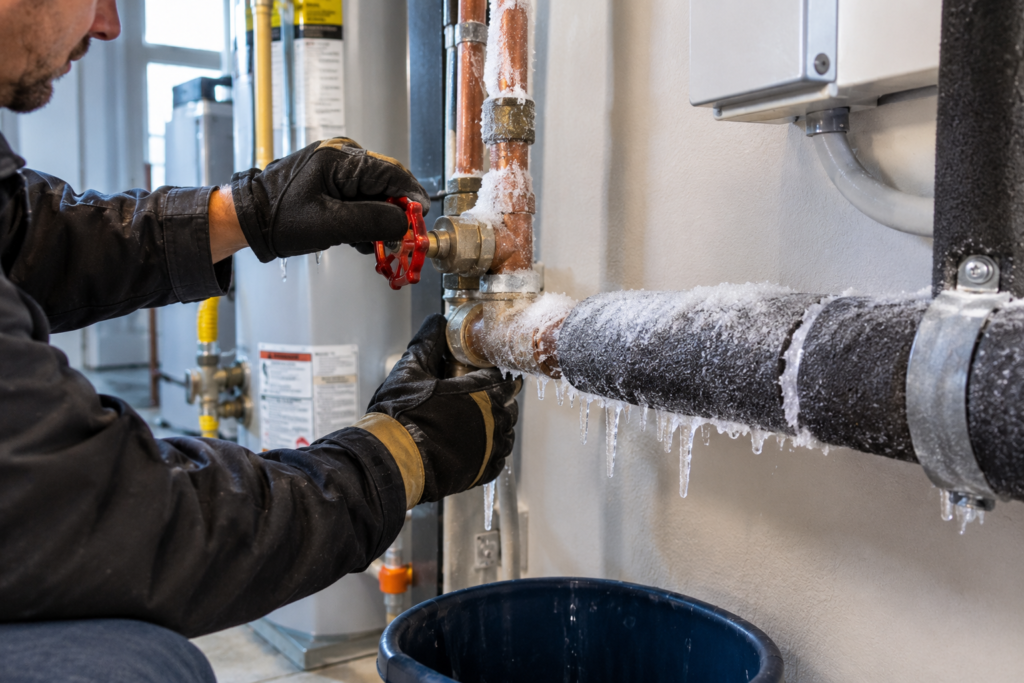
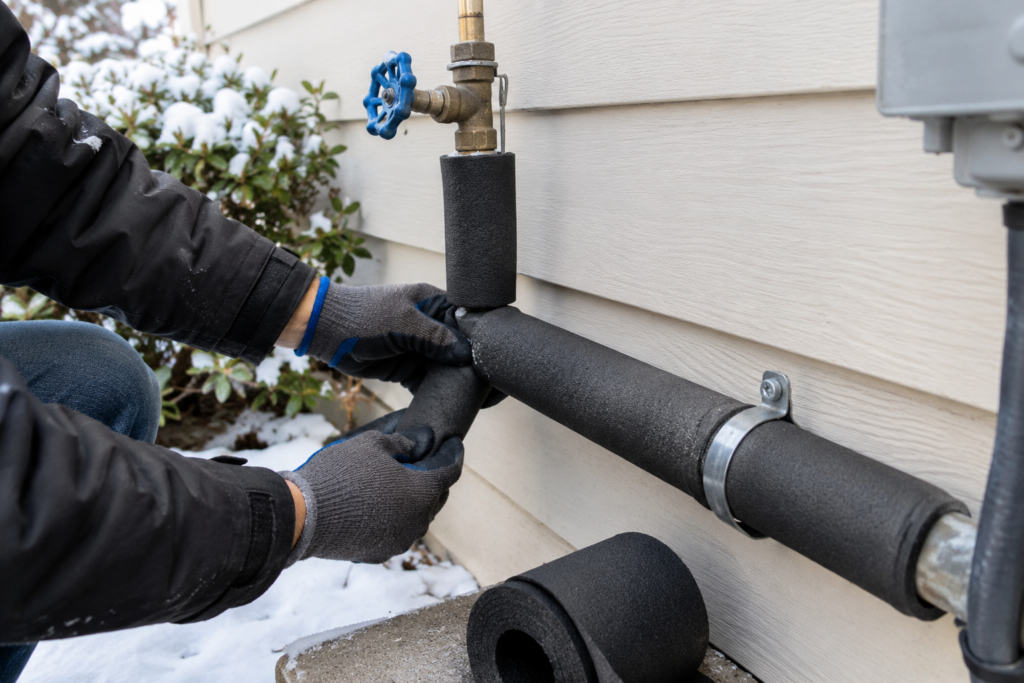
Water Leak or Burst Pipe in Richmond TX? Here Is What To Do Right Now Water is pouring where it should not be. Maybe it is coming through the ceiling. Maybe it is backing up through the toilet. Maybe you heard a sound behind the wall that you have never heard before and now there is moisture spreading across your floor faster than you can grab towels. Whatever is happening in your home right now, the next ten minutes matter more than anything that comes after them. This guide gives you the exact steps to take right now to protect your home, your family, and your property before a licensed plumber arrives. We are going to move fast because you do not have time for filler. If you are already past reading and just need someone there immediately, call Temper Mechanical at +1 (346) 485-8142. We offer same-day emergency plumbing service across Richmond TX, Sugar Land, Rosenberg, Pecan Grove, and Fort Bend County. We answer seven days a week. Steps To Take RIGHT NOW — Do These Before Anything Else These first steps are not optional. Every minute you skip them is another minute water is doing damage to your floors, walls, cabinets, and foundation. Move through this list as fast as you safely can. Shut off your water supply immediately. This is the single most important action you can take in a plumbing emergency. Every home has a main water shutoff valve that stops all water flow into the house entirely. In most Richmond TX homes this valve is located near the front of the house either inside a utility closet, in the garage, or outside near the foundation close to the water meter. Turn it clockwise until it stops completely. If you cannot find the main shutoff, go directly to your water meter at the street and turn off the supply there. Do not wait until you find the source of the leak to do this. Shut the water off first and find the source second. Get everyone away from standing water near electrical outlets or panels. Water and electricity together create a life-threatening situation that most homeowners do not think about in the panic of a plumbing emergency. If water is pooling near any electrical outlet, appliance, breaker panel, or visible wiring, do not step in it. Go to your breaker panel from a dry path and turn off the power to the affected area or the entire home if you are not sure which circuits run through the wet zone. Open a cold water faucet to drain remaining pressure. After shutting off the main supply, open a cold water faucet at the lowest point in your home, usually a utility sink or outdoor hose bib. This releases the remaining water pressure in the lines and reduces how much water continues to flow out from the break or leak point. Start damage control with what you have. Grab every towel, bucket, and tarp in your home. Contain the water as much as possible to prevent it from spreading to additional rooms or soaking into subflooring. If water is coming through the ceiling, use a screwdriver to carefully poke a small hole in the lowest point of the bulge. This sounds counterintuitive but it is the right move. Controlled drainage through a small hole prevents the entire ceiling section from collapsing under the weight of accumulated water. Put a bucket underneath and let it drain in a controlled way. Document everything before cleaning up. Once the immediate crisis is contained, walk through and take photos and video of all visible damage before moving anything or drying anything out. Your homeowner’s insurance claim will depend on this documentation. Do not skip it. Now call +1 (346) 485-8142 and get a licensed plumber on the way. How To Identify What Kind of Plumbing Emergency You Are Dealing With Not all plumbing emergencies look the same and identifying the type helps the technician who is coming prepare for the right repair before they even arrive at your home. Burst Pipe A burst pipe usually announces itself suddenly and dramatically. You hear a bang or a rushing sound, and water appears quickly and in significant volume. Burst pipes in Richmond TX homes happen most commonly during the rare hard freeze events when temperatures drop fast overnight, inside walls where pipes have developed stress fractures over time, and in older cast iron lines that have corroded past the point of structural integrity. If you suspect a burst pipe, the main shutoff is non-negotiable. Get it closed immediately. Active Water Leak Behind Walls or Under Slabs These are the sneaky emergencies. Water appears in places that do not make sense, like a wet spot on the floor in the middle of the room, a wall that feels damp without any visible source, or a water bill that has suddenly spiked without any change in usage. Richmond TX homes built on clay soil are particularly vulnerable to slab leaks because the Beaumont Clay beneath Fort Bend County homes shifts seasonally and puts ongoing stress on underground pipes. A slow slab leak can go undetected for months while causing significant foundation and flooring damage underneath your home. Backed-Up Sewer Line When multiple drains in your home are backing up simultaneously, the problem is not in an individual drain. It is in the main sewer line. A toilet backing up by itself might be a localized clog. A toilet, shower, and bathroom sink all backing up at the same time means the main line is blocked or compromised. Do not use any water in the house if you suspect a main sewer line backup. Every flush and every drain cycle pushes more sewage back toward your living space. Shut the water off and call immediately. Backed-Up Toilet With Overflow Risk A single toilet that is backed up and close to overflowing is a contained but urgent problem. Reach into the tank at the back of the

AC stopped working in Richmond heat? Here's exactly what to do in the first 10 minutes. Troubleshooting steps, emergency repair costs & how to get same-day help. Call now.
Uncategorized

Emergency AC Repair Guide: What To Do When Your AC Goes Down in 95° Heat

Emergency AC Repair Guide: What To Do When Your AC Goes Down in 95° Heat Your AC just stopped working. It is the middle of the afternoon, the thermometer outside is pushing 95 degrees, and your house is already starting to feel like a greenhouse. Your phone is in your hand and your mind is racing between panic and frustration. Stop. Take a breath. You have more control over this situation than you think right now. This guide is going to walk you through exactly what to do in the next hour, what is likely causing the problem, when you need a professional versus when you can handle it yourself, and how to make sure the person you call actually shows up and fixes it right. By the time you finish reading this you will know exactly where you stand and exactly what your next move is. If you are already past the point of troubleshooting and just need someone out there now, call Temper Mechanical directly at +1 (346) 485-8142. We offer same-day emergency AC repair across Richmond TX, Sugar Land, Rosenberg, Pecan Grove, and Fort Bend County. We answer seven days a week. Otherwise, let us get into it. What To Do in the First 10 Minutes The first ten minutes after your AC stops working are the most important because the decisions you make right now either shorten or extend how long your family sits in the heat. Here is a clear sequence to follow. Minute one through three: Get everyone comfortable first. Before you touch anything related to the AC system, close every blind and curtain on the sun-facing side of your home. This single step slows down how fast the indoor temperature climbs while you figure out what is going on. Move everyone including pets to the lowest floor of the house because heat rises and the ground floor will always be several degrees cooler. Turn on ceiling fans and box fans if you have them. Moving air feels significantly cooler even without a temperature change. Minute three through six: Check for the obvious. Go to your thermostat. Make sure it is set to cool and not heat or fan only. Make sure the set temperature is below the current indoor temperature. This sounds too simple to be the problem but you would be surprised how often it actually is, especially after a power flicker or a child playing with the settings. Minute six through ten: Check your breaker panel. Walk to your electrical panel and look for the breaker labeled air conditioner, AC, or air handler. In many Richmond TX homes there are two separate breakers for the system, one for the outdoor condenser unit and one for the indoor air handler. If either has tripped to the middle position, flip it fully off and then firmly back to the on position. Wait five minutes and see if the system starts. If the breaker trips again immediately, do not flip it a third time. A breaker that keeps tripping means something in the system is drawing too much power and forcing the breaker to protect the circuit. That needs a technician. Full Troubleshooting Steps Before You Call Anyone If the quick checks above did not bring your system back, work through these additional steps before picking up the phone. Some of these are simple fixes that save you a service call entirely. Check your air filter. Pull the filter out of your return air vent or air handler and hold it up to the light. If you cannot see light through it at all it is severely clogged and needs to be replaced immediately. A completely blocked filter restricts airflow so heavily that the system either shuts itself down as a protective measure or the evaporator coil freezes solid. Replace the filter and if the coil has iced over, turn the system off completely and let it thaw for one to two hours before restarting. Check your signs you need an HVAC tune-up because a repeatedly clogging filter is often one of the first indicators that your system needs attention beyond just a filter swap. Check the outdoor unit. Go outside and look at your condenser unit, the large box sitting on a concrete pad outside your home. Is it running? Can you hear the fan? Is there any visible ice on the refrigerant lines running into the house? If the outdoor unit is completely silent while the indoor unit is running, the condenser has either lost power or a component inside it has failed. If you see ice on the copper lines leading into your home, shut the system off at the thermostat and let it thaw before running it again. Check your condensate drain line. Your AC system removes humidity from your indoor air and drains that water through a PVC condensate line, usually running from your air handler to a floor drain or outside your home. When algae or debris clogs this line the drain pan fills up and a float switch inside the pan shuts the entire system down to prevent water damage to your home. Look for a small PVC pipe near your air handler and check if water is backing up or overflowing from the pan. This is one of the most common causes of summer shutdowns and one of the quickest fixes when it is the culprit. Reset your thermostat. Some programmable and smart thermostats have a reset function that clears error states. Remove the batteries for 30 seconds if it is battery powered, then reinstall them. If it is hardwired, turn the system off at the breaker for 30 seconds and back on. Wait a full five minutes before trying to run the system again since most AC systems have a built-in time delay after a power interruption to protect the compressor from short cycling. If you have worked through all of these steps and the system is still not functioning, the problem is internal

AC stopped working in Richmond TX? Here is what to check in the next 30 minutes and when to call for emergency repair. Same-day service available. Call Temper Mechanical: (346) 485-8142.
Uncategorized

AC Stopped Working in Richmond TX? Here’s What to Do in the Next 30 Minutes

Emergency AC Repair · Richmond, TX · Available Now AC Not Working in Richmond TX?Call Temper Mechanical Now: (346) 485-8142 Same-Day AC Repair in Richmond TX Claim $50 Off HVAC Repair Richmond, Sugar Land, Rosenberg, Pecan Grove 7 Days a Week · Same-Day Available (346) 485-8142 🔥 Limited Offer: $50 OFF any HVAC repair — mention this page when you call View Special Offer AC Emergency in Progress? We know how brutal Richmond TX summers get. When your AC stops working, especially at night or on weekends, it is not just uncomfortable, it is a health risk. For same-day AC repair in Richmond TX, call us now at (346) 485-8142. We serve Richmond, Sugar Land, Rosenberg, and Pecan Grove. Still with us? Good. Let us help you figure out what is happening right now. 3 Things to Check Before We Arrive Before you assume the worst, run through these three quick checks. They take less than five minutes and in some cases one of them turns out to be the actual problem. It happens more often than you would think. 1 Check your thermostat first Make sure it is set to cool and not heat or fan only, and that the set temperature is actually below the current room temperature. If it is set to 78 degrees when your house is already 78 degrees the system has no reason to turn on. Check the batteries too — a dead battery shows a blank screen and prevents communication with your system entirely. 2 Check your circuit breaker Go to your breaker panel and look for the breaker labeled air conditioner, AC, or air handler. Sometimes there are two — one for the indoor unit and one for the outdoor. If either has tripped to the middle position, flip it fully off and then back on. A tripped breaker is one of the most common reasons an AC system stops responding. 3 Check your air filter Pull out your air filter and hold it up to the light. If you cannot see light passing through it at all, it is completely clogged. A severely blocked filter restricts airflow to the point where the system either shuts down or freezes up entirely. Replacing a clogged filter sometimes gets a system running again within 30 minutes once the ice thaws. If you checked all three and everything looks fine, the problem is inside the system and you need a technician. Call us at (346) 485-8142 and we will get someone out to you. Why Your AC Stopped Working — Top Causes We See in Richmond TX Richmond TX heat puts serious stress on air conditioning systems from May through September. Here are the most common reasons systems fail and what each one means for your repair. Capacitor Failure The number one cause of AC breakdowns across Fort Bend County, particularly during heat waves. The capacitor gives the compressor and fan motors the electrical boost they need to start and keep running. Capacitors wear out faster in extreme heat — when one fails the system either refuses to start or runs briefly and shuts back off. One of the more straightforward and affordable repairs we make. Refrigerant Leak If your system is running but blowing warm or only slightly cool air, a refrigerant leak is a likely cause. Low refrigerant means the system cannot absorb and transfer heat effectively. Recharging refrigerant without fixing the leak is a temporary fix — the right repair addresses the source of the leak first. Dirty Evaporator Coil The evaporator coil absorbs heat from your indoor air. When coated in dust and debris it cannot do that job efficiently. In some cases a dirty coil freezes over completely, blocking airflow and causing the system to stop cooling. You may notice ice on the refrigerant lines near your indoor unit. Condensate Drain Clog Your AC removes moisture from the air as it cools. That water drains through a condensate line. When that line clogs with algae or debris, the drain pan fills up and a float switch shuts the system down to prevent water damage. One of the most preventable issues with regular maintenance. Compressor Failure The compressor is the heart of your AC system. When it fails, the system fails completely. Compressor issues are the most serious and most expensive repair, and in older systems the cost often makes a full AC installation Richmond TX the more sensible financial decision. We always give you an honest comparison of both options before recommending either. How Much Does Emergency AC Repair Cost in Richmond TX? This is the question you are probably wondering about right now and you deserve a straight answer. Before you call — check our $50 off HVAC repair special first. Mention this page when you book and we will apply the discount automatically to your service call. Repair Type Typical Cost Range Capacitor Replacement $150 – $300 Refrigerant Recharge + Leak Repair $200 – $500 Condensate Drain Clearing $75 – $150 Evaporator Coil Cleaning $150 – $350 Compressor Replacement $1,200 – $2,500 Before we start any work we give you the exact price. No surprises, no after-the-fact additions, and no pressure to approve anything you are not comfortable with. You decide, we work. What to Do While You Wait for Us Waiting for a technician in a hot house is miserable, but these steps will help you and your family stay as comfortable as possible until we arrive. Our team also covers HVAC service in Pecan Grove TX and the surrounding 77406 area — so if you are nearby, we are on our way. Move to the Lowest Floor Heat rises — the ground floor will always be several degrees cooler than upstairs rooms. Close every blind and curtain on the sunny side of your house to block radiant heat. Run Ceiling or Box Fans Turn on fans and position them to move air across the room. Moving air feels cooler even when the temperature is the

Plumbing & Water Heater Services · Richmond, TX Water Heater Not Working or Leaking in Richmond TX? Here’s What to Do Right Now
Uncategorized

Water Heater Not Working or Leaking in Richmond TX? Here’s What to Do Right Now

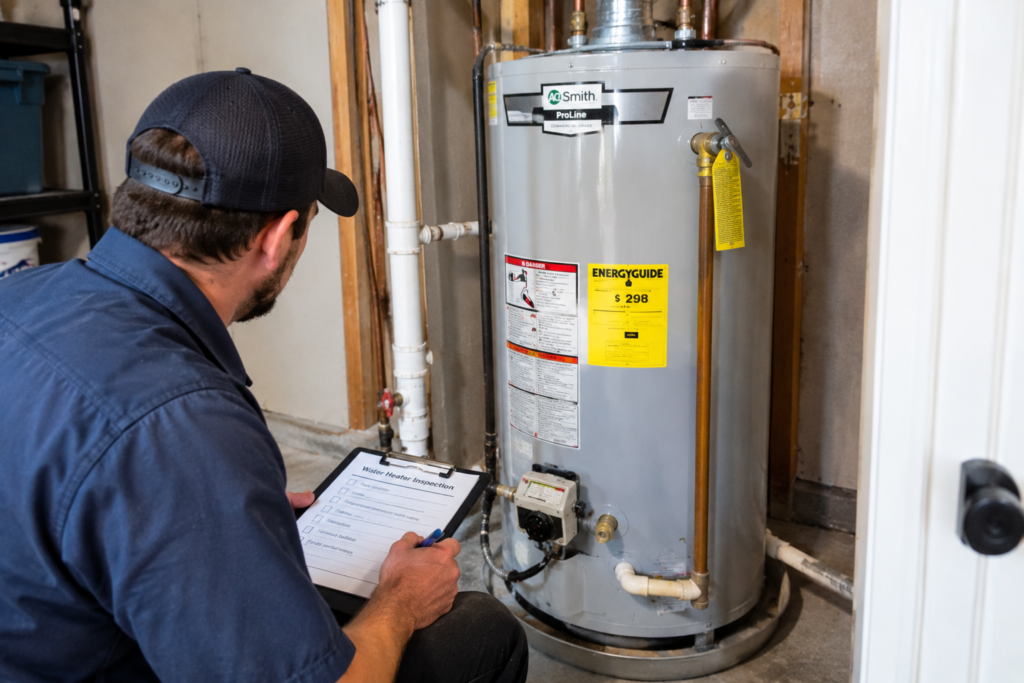
Plumbing & Water Heater Services · Richmond, TX Water Heater Not Working or Leaking in Richmond TX? Here’s What to Do Right Now Richmond TX & Fort Bend County Same-Day Service Available (346) 485-8142 Need Help Right Now?If your water heater is leaking or has stopped working, call Temper Mechanical at (346) 485-8142. We serve Richmond TX, Sugar Land, Rosenberg, and Fort Bend County with same-day service available. Our emergency plumbing Richmond TX team is ready when you need us. If you want to understand what is happening first, keep reading. Is Your Water Heater Leaking? Do These 3 Things First Finding water pooling around your water heater is alarming, but take a breath. Most leaks are manageable if you act quickly and calmly. Before you call a local plumber in Richmond TX, do these three things right now. 1 Turn off the water supply valve There is a cold water shutoff valve located on the pipe going into the top of your water heater. Turn it clockwise until it stops. This cuts the water supply to the tank and prevents more water from flowing in and making the situation worse. 2 Turn off the power or gas If you have an electric water heater, go to your breaker panel and flip the breaker labeled water heater to the off position. If you have a gas unit, look for the dedicated gas shutoff valve near the base of the unit and turn it to the off position. Do not skip this step. Water and live electricity or open gas lines do not mix. 3 Put towels or buckets down This sounds simple but it matters. Protecting your floors from water damage while you wait for a technician saves you from a secondary problem on top of the one you already have. That is it. You have done everything you can do safely on your own. Now let a licensed professional take it from here. Common Water Heater Problems We Fix in Richmond TX Water heaters rarely fail without giving some kind of warning first. Here are the most common issues we diagnose and repair for homeowners across Fort Bend County and what each one usually means. No Hot Water at All If you are getting completely cold water from every tap, the issue is usually a failed heating element on an electric unit or a pilot light and ignition problem on a gas system. In some cases a tripped breaker or a faulty thermostat is the culprit. This is one of the more straightforward diagnostics we perform and in many cases can be resolved in a single visit. Not Enough Hot Water If your hot water runs out faster than it used to, or the shower goes cold before everyone in the house has had a chance, the most common causes are a failing lower heating element, sediment buildup reducing the effective capacity of the tank, or a unit that was simply undersized for your household’s current demand. Fort Bend County’s hard water accelerates sediment accumulation significantly, which makes this a particularly common issue in Richmond TX homes. Water Too Hot Scalding water coming out of your taps points directly to a faulty thermostat or a temperature pressure relief valve that is not regulating correctly. Both situations need prompt attention. A thermostat set or malfunctioning above the safe range creates a real safety concern for your household, especially if you have children. Strange Noises Popping, rumbling, or banging sounds coming from your water heater tank are the sound of sediment buildup being disturbed as the water heats around it. Over time, that sediment layer insulates the water from the heating element and forces the unit to work harder and longer. Flushing the tank can resolve this early on, but in units with heavy buildup the sediment layer may have already caused damage that requires more attention. Discolored or Rusty Water Brown or reddish water coming from your hot taps is a sign that the interior of your tank is corroding. Water heaters have a sacrificial anode rod designed to absorb corrosion before it reaches the tank walls, but once that rod is depleted the tank itself begins to rust from the inside. Discolored water is one of the clearest signals that a water heater is approaching the end of its reliable service life. Leaking From the Top A leak at the top of the unit is usually coming from a loose or corroded pipe connection, a faulty cold water inlet or hot water outlet fitting, or a failing pressure relief valve. These are generally more straightforward repairs than leaks at the bottom because they involve the connections and components rather than the tank itself. Leaking From the Bottom A leak from the bottom of the tank is a more serious finding. It often indicates internal corrosion that has compromised the tank wall, and in most cases a unit leaking from the bottom is past the point where repair is a practical solution. Replacement is typically the honest recommendation here, and the sooner it happens the less secondary water damage you deal with. How Much Does Water Heater Repair Cost in Richmond TX? This is the question every homeowner wants answered honestly before committing to anything, and we think that is completely reasonable. Service Type Typical Cost Range Element Replacement $150 – $250 Thermostat Fix $150 – $300 Pressure Relief Valve $150 – $400 Anode Rod Service $150 – $300 Traditional Tank Replacement $800 – $2,000 Tankless Water Heater Installation $1,500+ One thing worth knowing specifically about Richmond TX and the broader Fort Bend County area is that the local water supply is notably hard. That mineral content accelerates the buildup of sediment inside tanks, degrades anode rods faster, and shortens the effective service life of water heaters. A unit that might last 12 years in a softer water region may show significant wear in 8 to 10 years here. Our water filtration and softener services can help protect your

Why Richmond's Clay Soil is the #1 Enemy of Your Home's Plumbing
Uncategorized

Why Richmond’s Clay Soil is the #1 Enemy of Your Home’s Plumbing

If you have lived in The Grove or Pecan Grove for any length of time, you already know that this part of Richmond TX is a genuinely wonderful place to put down roots. Beautiful neighborhoods, mature trees, well-kept homes, and a real sense of community. What most homeowners here d o not know, at least not until something goes wrong, is that the ground beneath those homes has been quietly working against their plumbing since the day the foundation was poured. This is not a scare story. It is a straightforward explanation of something that affects thousands of homes in the 77406 area, and understanding it is the first step toward protecting your property before a small issue becomes a large one. The Ground Beneath Your Home Is Not Sitting Still The soil throughout the Richmond TX area, including The Grove and Pecan Grove, is predominantly what geologists and engineers refer to as Beaumont Clay. This is an expansive clay soil, meaning it does not behave the way most people assume soil behaves. Most of us picture soil as something stable and fixed. It sits there, it holds things up, and it stays put. Beaumont Clay does not work that way. It acts more like a slow-motion sponge. When rainfall is heavy and moisture saturates the ground, this clay absorbs water and swells. When dry summer conditions set in and that moisture evaporates, the clay contracts and pulls back. Back and forth, season after season, year after year. In a place like Richmond TX where summers are long and dry and storm seasons can drop significant rainfall in short periods, that cycle of swelling and shrinking happens repeatedly throughout the year. The ground beneath your home is in a constant state of gradual movement, and most homeowners never feel it or see it directly. But your underground pipes do. What This Movement Does to Your Plumbing When soil shifts, it does not move in a perfectly uniform way. Different sections of ground absorb and release moisture at different rates depending on drainage patterns, tree root systems, irrigation, and how the grade of your property channels water. This uneven movement creates what engineers call shear stress on anything buried in the ground. Your underground sewer lines and water supply pipes sit directly in this environment. Whether they are made of PVC or older cast iron, they were installed as straight, connected, sealed systems. When the soil around them shifts in different directions at different rates, that stress accumulates at the joints, the connection points, and any section where the pipe changes direction. Over time, joints begin to separate. Pipes develop hairline cracks. Sections that were once perfectly aligned begin to offset, meaning one end shifts slightly out of position from the other. None of this happens dramatically or suddenly. It happens slowly, consistently, and silently over years of seasonal soil movement. By the time most homeowners in the 77406 area notice a symptom, the underlying issue has usually been developing for quite a while. Your Home Is Trying to Tell You Something Here is where things get interesting. Underground pipe damage does not always announce itself through an obvious plumbing failure. A lot of the early warning signs look like home maintenance issues rather than plumbing problems, which is exactly why they get misread or ignored for longer than they should be. Pay attention if you notice any of these in your home: Interior doors that have started sticking or no longer latch the way they used to Hairline cracks appearing in drywall, especially near door frames and window corners Floor tiles that sound hollow when you tap them or that have begun to crack along grout lines Unexplained wet or soggy patches in your yard that do not dry out normally after rain A water bill that has increased without any change in how much water your household uses Warm spots or damp areas on your slab floor, particularly noticeable on tile surfaces A faint sewage smell that you cannot locate no matter how thoroughly you clean Each of these on their own might have an innocent explanation. But when two or three of them are happening at the same time, especially in a home that sits on Beaumont Clay in the 77406 area, the connection to underground pipe movement is worth taking seriously. The sticking doors and drywall cracks deserve a specific explanation because homeowners often attribute these to normal settling. In some cases that is true. But when a pipe beneath your slab is leaking consistently, the moisture it releases into the soil beneath your foundation creates localized swelling that can cause sections of your slab to shift or heave unevenly. That movement is what pushes door frames slightly out of square and creates stress cracks in your walls. The plumbing and the structure of your home are more connected than most people realize. This Is a 77406 Problem That Needs a Local Solution It is worth saying directly that this is not a problem you will find equally distributed across every part of the Houston metro area. The specific composition of Beaumont Clay is particularly concentrated in the Fort Bend County region, and neighborhoods like The Grove and Pecan Grove sit squarely in that zone. General plumbing companies that work across a wide service area may not have deep familiarity with how Richmond’s specific geography affects underground pipe systems. A technician who primarily works in areas with sandier or more stable soil compositions may not immediately connect the plumbing symptoms to the soil movement patterns that are common here. This is one of the reasons that specialized underground pipe repair (visit our service page here) performed by a team that understands Richmond TX specifically is so important. The diagnosis, the repair approach, and the materials used all benefit from local knowledge about how these pipes behave in this particular environment over time. The Good News About All of This Understanding what is happening beneath your home

Did your HVAC technician show you photos after the visit? Learn why photo documentation matters, what it protects you from, and what professional service in Richmond TX should actually look like.
Uncategorized

Why Your HVAC Technician Should Take Photos During Service — What Richmond TX Homeowners Deserve to Know

Most homeowners in Richmond TX have had a similar experience at some point. A technician shows up, disappears into the attic or crawls behind the unit, comes back out after twenty minutes, and tells you something is wrong. Maybe they show you a number on a gauge or mention a part that needs replacing. You nod along, trust that they know what they are talking about, write the check, and hope for the best. That is the standard experience. And for a long time, most homeowners did not know there was a better one. Recently, one of our customers named Julie shared her experience after a service visit with our technician Terry. What stood out to her was not just that the problem got fixed. It was that Terry took photos throughout the entire service call and walked her through every single one of them before leaving. She said it changed the way she understood her own home and made her feel genuinely respected as a customer. That feedback stayed with us because it pointed to something important. Photo documentation during an HVAC service visit is not a bonus feature or something only high-end service companies do. It is what professional, accountable service actually looks like. And most homeowners in Richmond TX have no idea they should be expecting it. This article is going to explain exactly why it matters, what a good technician should be capturing during a visit, and how those photos protect you in ways that go well beyond the service call itself. The Problem With “Just Trust Me” HVAC Service HVAC systems are tucked away in attics, closets, mechanical rooms, and tight utility spaces. Most homeowners never see the inside of their air handler, the condition of their coil, the state of their ductwork connections, or what is happening around their drain pan. You rely entirely on what a technician tells you because there is simply no practical way for you to verify it yourself. This creates an uncomfortable dynamic. You are making financial decisions, sometimes significant ones, based entirely on the word of someone you may have just met. Most technicians are honest and competent. But without documentation, there is no way to verify what was found, what was done, or why a particular repair or replacement was recommended. That is not a healthy position to be in as a homeowner. And a technician who understands real professional service knows this. Taking photos is one of the most straightforward ways to fix that imbalance entirely. View All Live Google Testimonials What Good Technicians Actually Capture During a Service Call Photo documentation is not about snapping a few random pictures to look thorough. A technician who does this properly knows exactly what to capture and why each image matters to you as the homeowner. The Condition of the System Before Any Work Begins Before a professional technician touches anything, they document the current state of your equipment. This includes the overall condition of the unit, any visible damage, rust, wear, or signs of previous repairs. This matters because it establishes a baseline. If a question ever arises later about whether something was already like that before they arrived, the photos answer it clearly. Any Specific Problem Areas Found During Inspection When a technician finds a refrigerant leak, a cracked heat exchanger, a failing capacitor, a clogged drain line, or dirty evaporator coils, a photo of that exact issue is worth more than any verbal explanation. You can see what they are describing. You can understand the severity visually rather than trying to interpret technical language you may have never heard before. And if you want a second opinion, you have something concrete to show another professional. Measurements and Readings in Context Refrigerant pressure readings, temperature differentials, electrical readings, these are numbers that mean very little to most homeowners without context. A good technician photographs their gauges and meters alongside the component being tested so you can see that the reading is real, current, and relevant to your specific system. It removes any ambiguity about where those numbers came from. The Work Completed After repairs are made, a new capacitor installed, coils cleaned, or a drain line flushed, photos of the completed work give you a clear record of what was done. This becomes your documentation of service history, which is genuinely useful for warranty purposes, future technician visits, and if you ever decide to sell your home. The Condition of the System After the Visit Closing photos that show your system cleaned, secured, and functioning properly complete the picture. You can see the before and after without having to climb into your attic or crouch behind your unit to check. How Photos Protect You as a Homeowner Beyond transparency, photo documentation serves some very practical protective functions that most homeowners have never considered. They Create Accountability When a technician knows they are documenting their work visually, it naturally raises the standard of that work. Every step is recorded. Every finding is captured. That level of accountability benefits both sides of the service relationship. You get confidence that the work was done properly, and the technician has a clear record that protects them from false claims as well. They Support Warranty Claims Many HVAC equipment warranties require documented proof of regular professional maintenance. If your system develops a problem and you need to make a warranty claim, having dated photos from each service visit strengthens your case significantly. Verbal assurances that your system was maintained do not hold up the way actual documentation does. They Help Future Technicians Serve You Better When a different technician visits your home in the future, either for a follow-up or because you called someone else for a second opinion, photos from previous visits give them real context. They can see what was found before, what was repaired, and what the condition of the system looked like at a specific point in time. That continuity of information leads to better diagnostics

Precision Ion HVAC System Installation
Uncategorized

Why Your 2-Story Richmond Home Has Hot Spots | Ion™ SmartSense™ Fixes It

You walk downstairs on a summer evening and the main floor feels perfectly comfortable. The thermostat reads exactly what you set it to. But then you head upstairs to check on the kids or get ready for bed and it feels like a completely different house. The hallway is warm, the bedrooms are stuffy, and no matter how low you push the thermostat, the upstairs never quite catches up. If this sounds familiar, you are not alone. This is one of the most common complaints we hear from homeowners across Richmond TX, and it happens in neighborhoods all over the area from Pecan Grove to Harvest Green. Two-story homes are beautiful and practical for families, but they come with a built-in cooling challenge that a standard AC system was never really designed to solve. The good news is that this problem has a real explanation and a real fix. Let us walk through what is actually happening inside your home and what it takes to make every room feel the way it should. Why 2-Story Homes in Richmond TX Struggle With Uneven Cooling Before anything else, it helps to understand why this happens in the first place. The issue is not usually a broken system or a failing thermostat. It is a combination of factors that work against each other, and in a climate like Richmond TX where summers are long, humid, and relentless, those factors get amplified significantly. Heat rises. This is simple physics and it plays out inside your home every single day. The warm air produced by cooking, sunlight through windows, electronics, and body heat naturally drifts upward. Your downstairs stays cooler partly because cool air sinks and settles at lower levels. Your upstairs collects everything that rises, which means it is fighting a much harder battle against the heat even before your AC system enters the picture. Then there is the attic factor. Most two-story homes in Richmond have an attic directly above the second floor, and during Texas summers that attic can reach temperatures of 140 to 160 degrees on a hot afternoon. That heat radiates downward through the ceiling into your upstairs rooms continuously, even at night, making the second floor work against a heat source that your AC system has to constantly overcome. Duct design plays a major role as well. Older homes, including many of the established properties in Pecan Grove, were built with duct systems designed for older, less efficient equipment. In many cases the ductwork was not properly sized or balanced for multi-story airflow distribution. Certain runs are too long, too narrow, or simply not positioned to push conditioned air all the way to the far end of the second floor before it loses pressure and temperature. Homes with high ceilings and open layouts, which are common in newer Richmond developments like Harvest Green, add another layer to this challenge. More vertical space means more air volume to condition, and open floor plans allow air to move in ways that a basic system was not designed to account for. Why Your Upstairs Feels Even Hotter at Night A lot of homeowners assume that once the sun goes down, the upstairs will naturally cool off. Unfortunately in Richmond, that is not how it works. The materials in your roof, attic insulation, and second-floor walls absorb heat all day long. Even after sunset, those materials continue releasing stored heat into your upstairs rooms for hours. It is called thermal mass, and it means your second floor is still fighting accumulated heat from the afternoon well into the evening when you are trying to sleep. At the same time, most standard AC systems cycle off once the downstairs thermostat reads the target temperature. By the time the system shuts off, the upstairs may still be several degrees warmer, and without continued airflow those rooms just sit in that warmth with nowhere for the heat to go. The Limits of Standard AC Systems in This Situation A standard single-stage AC system operates on a simple principle. It turns on at full power, cools until the thermostat is satisfied, and then shuts completely off. That cycle repeats throughout the day depending on how quickly the temperature climbs back up. The problem with this approach in a two-story home is that full blast cooling does not mean even cooling. The rooms closest to the supply vents and the air handler get conditioned air first and fastest. The rooms farther away, which in most two-story layouts means the upstairs bedrooms at the end of the hall, get whatever pressure and temperature is left after the air has traveled the full length of the duct system. By the time the thermostat downstairs says the house is cool enough and the system shuts off, the upstairs bedrooms may have only received a fraction of the conditioned air they actually needed. The system never ran long enough to balance things out, and the cycle starts all over again. This is why turning your thermostat down lower does not fix the problem. It just makes your downstairs colder while the upstairs stays stuffy and uncomfortable. How Variable-Speed Systems Actually Solve This Here is where things start to change meaningfully. A variable-speed system does not just switch on and off at full power. It runs continuously at different speeds depending on what the home actually needs at any given moment. During milder parts of the day it runs at a lower capacity, moving air steadily and consistently throughout the entire duct system. When demand increases it ramps up gradually rather than slamming on at full blast. This longer, steadier operation changes everything about how air reaches your rooms. Instead of a short aggressive burst that satisfies the nearest thermostat and then stops, air is being moved continuously at a pace that allows it to travel fully through the duct system and reach the rooms that need it most, including those upstairs bedrooms at the end of the hall. It also handles

Precision Ion HVAC System Installation
Uncategorized

Ion System vs Standard AC: Is the Smart Home Upgrade Worth It in Richmond TX?

If you are a homeowner in Richmond TX and your air conditioning system is starting to show its age, you already know the feeling. The unit runs longer than it used to. Your electricity bill climbs every summer. Some rooms never quite cool down the way they should. And then one day, a technician tells you it is time to start thinking about a replacement. That is usually when the real question comes up. Do you replace it with a standard system and keep things simple, or do you invest in something more advanced like an Ion system and hope the upgrade pays off over time? This is one of the most common conversations we have with homeowners across Richmond, and there is no one size fits all answer. What we can do is walk you through the real differences so you can make the decision that actually fits your home, your budget, and the way you live. Why Most Homeowners in Richmond TX Default to Standard AC Units The honest answer is simple. When your AC goes out in the middle of a Texas summer, comfort becomes urgent and budget becomes the first filter. A standard AC system costs less upfront, is widely available, and gets the job done in a basic sense. Most homeowners just want cool air back in the house as fast as possible. There is nothing wrong with that thinking. Standard systems are reliable, straightforward to install, and easy to service. For a lot of households, especially those without long term plans to stay in the home, a standard unit makes complete sense. But if you plan to stay in your Richmond home for several more years, it is worth slowing down and understanding what you are actually choosing between before you commit. The Hidden Downsides of Basic AC Systems in Texas Heat A standard AC system works like a light switch. It is either fully on or fully off. When the temperature inside rises above your thermostat setting, the system kicks on at full power and runs until the temperature drops back down. Then it shuts off completely. This is called single stage operation, and it works fine in mild climates. Richmond TX is not a mild climate. From May through September, temperatures regularly push into the upper 90s and humidity sits heavy in the air, especially closer to the Brazos River where moisture from the surrounding landscape makes everything feel thicker and more oppressive. A single stage system in this environment is constantly playing catch up. It runs hard, cycles off, then runs hard again. That constant on and off cycling creates a few real problems. First, it does not remove humidity effectively. Humidity reduction actually happens during the cooling cycle, and when a system is short cycling, it does not run long enough to pull adequate moisture out of the air. Your home might hit the right temperature on the thermostat but still feel sticky and uncomfortable because the humidity was never properly addressed. Second, single stage systems struggle with consistent temperature distribution. In multi-room homes or two story layouts, certain areas cool down quickly while others lag behind. You end up with bedrooms that feel fine and a living room that still feels warm, or an upstairs that never quite matches what the thermostat says downstairs. Third, running at full capacity every cycle is harder on the system and harder on your electricity bill during the months when Richmond heat is at its worst. What Makes the Ion System Different, Explained Simply Think of a standard AC system like driving with only two options, full gas or full brake. You get where you are going but the ride is rough and you burn more fuel than necessary. An Ion system works more like cruise control. Instead of blasting on at full power and shutting off abruptly, it constantly makes small adjustments to maintain the comfort level you set. It ramps up when it needs to, slows down when it does not, and finds the most efficient speed to keep your home feeling exactly right without the dramatic swings of a single stage unit. The variable speed technology inside an Ion system means the equipment is almost always running at a lower, more efficient capacity rather than full throttle. This changes how the system interacts with your home in ways that go beyond just temperature. How the Ion System Handles Humidity in Richmond TX Homes This is where the Ion system earns its reputation in climates like ours. Because the system runs longer cycles at lower speeds instead of short aggressive bursts, it has significantly more time to pull moisture out of the air during each cycle. In Richmond, where Brazos River humidity is a real and constant factor from spring through fall, this makes a noticeable difference in how your home actually feels day to day. Homeowners who upgrade from standard units to variable speed systems consistently report that the air inside feels cleaner and less heavy, even before the temperature changes significantly. That is because humidity control and temperature control are two different things, and an Ion system handles both at the same time without sacrificing one for the other. For families where anyone deals with allergies, asthma, or just general sensitivity to heavy indoor air, this aspect alone is often the most meaningful difference. Energy Efficiency and Long Term Savings The upfront cost of an Ion system is higher than a standard unit, and we are not going to pretend otherwise. That is a real consideration and a legitimate reason some homeowners choose the standard route. But the long term picture looks different. A variable speed system uses significantly less electricity during normal operation because it rarely runs at full capacity. Over a full Richmond summer, that efficiency adds up in real dollars on your utility bill. Systems like these also tend to have longer operational lifespans because they are not cycling hard on and off thousands of

Why Heating Maintenance Saves Money in Richmond TX Winters
Uncategorized

Why Heating Maintenance Saves Money in Richmond TX Winters

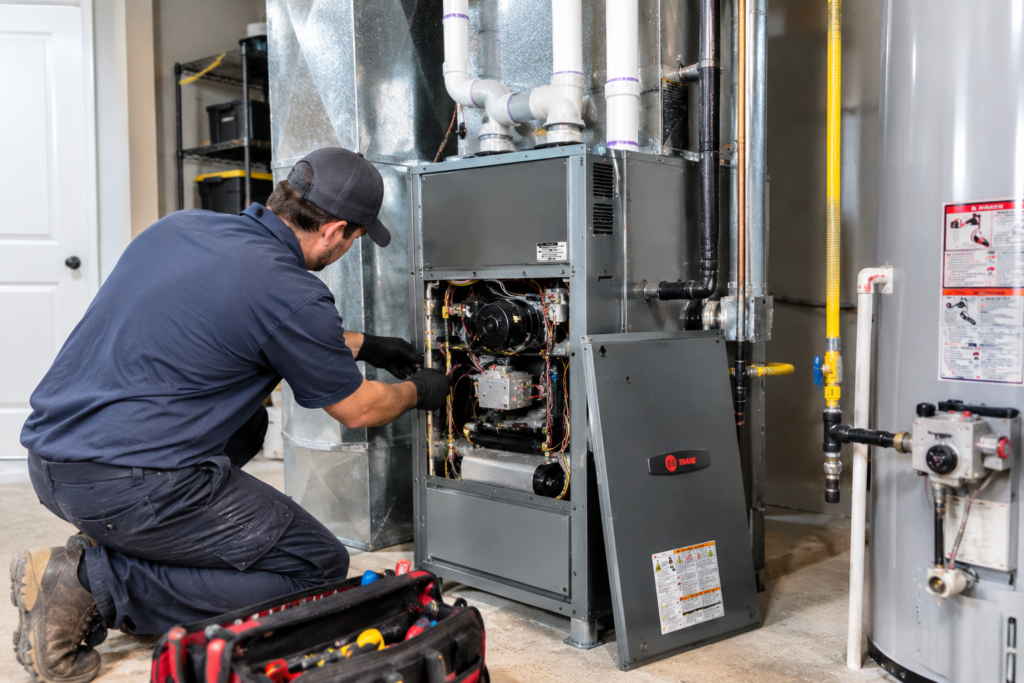
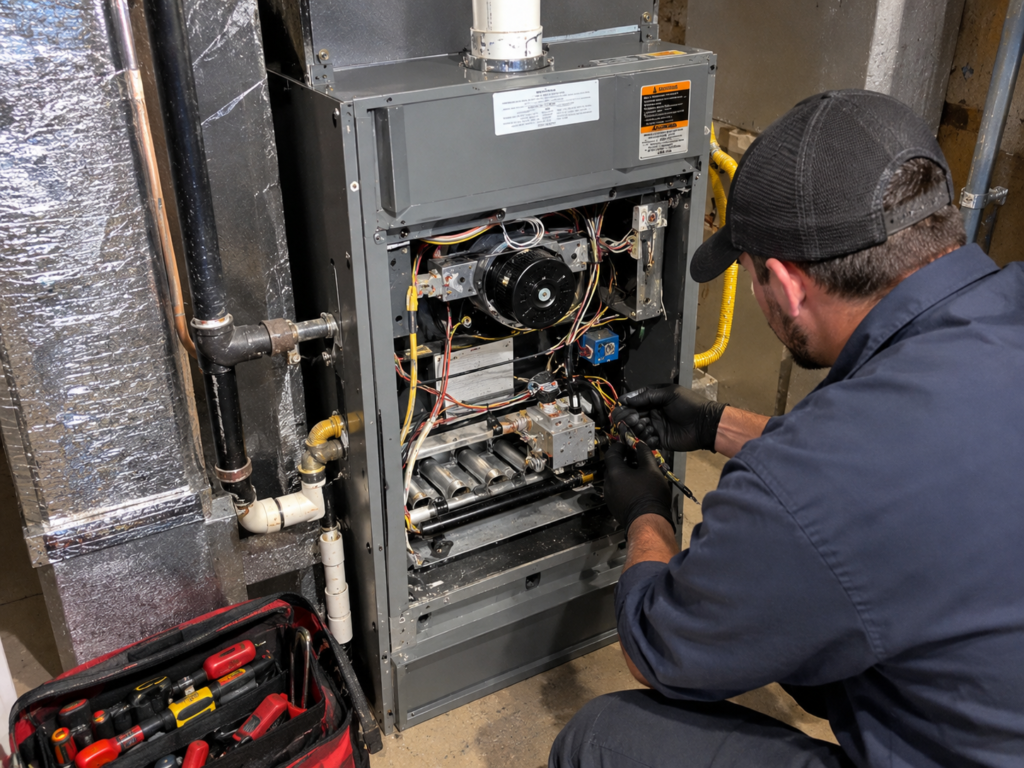
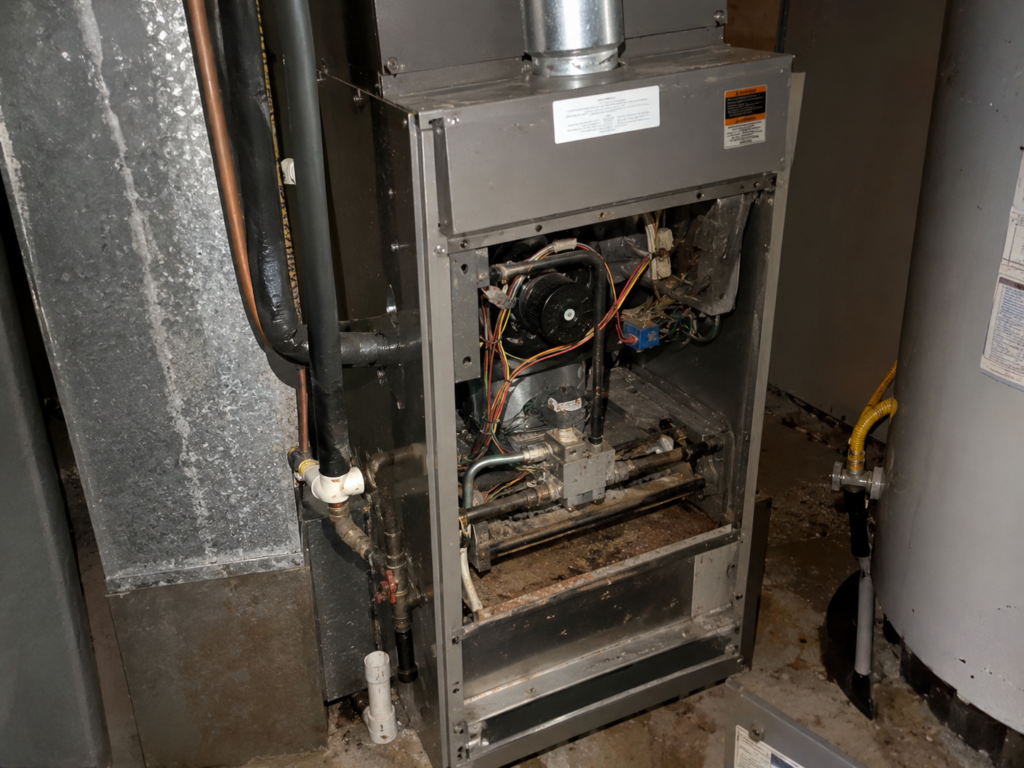
Let me guess: you’re reading this because your heating bill just came in, and you nearly choked on your coffee. Or maybe your furnace made a weird noise last week, and you’re wondering if you should worry about it. Or possibly, you’re just a smart homeowner who wants to avoid expensive surprises. Whatever brought you here, I’m glad you’re asking questions. Because here’s the truth that most Richmond folks don’t realize until it’s too late: that furnace you ignore all year? It’s quietly costing you money right now. Every single month you skip maintenance, you’re basically lighting dollar bills on fire. Let me show you exactly why—and more importantly, what you can do about it. The Richmond Winter Reality Check First, let’s be honest about our winters here in Richmond, Texas. We’re not talking Minnesota. We’re not even talking Dallas. Most days we’re in the 50s and 60s, maybe dipping into the 40s at night. You might even wear shorts on Christmas if you’re feeling rebellious. But here’s what makes our winters tricky: they’re unpredictable. One week it’s 75 degrees and you’re running the AC. The next week it’s 38 degrees and your furnace is working overtime. Remember that freeze in February 2021? Yeah, we all do. Systems that were “fine” suddenly weren’t fine when they actually had to work hard for days straight. This on-again, off-again pattern is actually harder on your heating system than consistent cold would be. It’s like doing interval sprints instead of a steady jog—your furnace never settles into a rhythm, and that creates wear and tear you can’t see. What Actually Happens When You Skip Maintenance Here’s what most people think: “My furnace turns on when I need it. It makes heat. What else matters?” I get it. If it’s not broken, why fix it, right? But your furnace isn’t a light switch. It’s a complex system with moving parts, electrical connections, gas flow, heat exchangers, and safety controls all working together. And in Richmond’s climate, it’s dealing with some unique challenges. The Dust and Humidity Double Whammy We’ve got dust here. From construction, from dry spells, from the farmland around us—it’s everywhere. And when you’re not running your heat regularly (because, hello, it’s Texas), that dust settles inside your furnace. Then when you do fire it up, you’re burning dust, which creates buildup on burners, clogs airflow, and makes your system work harder than it should. Add our humidity into the mix, and you’ve got the perfect recipe for corrosion on components that should stay clean and dry. The Efficiency Slide You Don’t Notice Here’s the sneaky part: your furnace doesn’t suddenly stop working. It slowly becomes less efficient, month by month, year by year. Maybe it used to heat your home to 72 degrees in twenty minutes. Now it takes thirty-five minutes. You don’t really notice because it’s gradual. But your gas meter notices. Your utility company definitely notices. And your wallet feels it. A neglected furnace can lose 15-25% of its efficiency over just a few years. On a $120 monthly gas bill during winter, that’s $18-30 extra every single month. Over five months of heating season, you’re throwing away $90-150 annually. And that’s conservative. The Small Problems Becoming Big Expenses Last winter, we got a call from a homeowner in Pecan Grove. Her furnace quit on a 35-degree night. The problem? A $12 igniter that had been failing slowly for months. If she’d had maintenance, we would’ve caught it during inspection and replaced it for about $80 total. Instead, she paid: $150 emergency service call fee (because it was 9 PM) $180 for the repair A cold, uncomfortable night waiting for us to arrive Total: $330 for a problem that would’ve cost $80 with regular maintenance That’s the pattern we see constantly. Small issues caught during maintenance are cheap fixes. Small issues that become complete failures? Not cheap. What Actually Happens During Professional Maintenance Let me walk you through what we actually do when we come out for a maintenance visit. This isn’t some vague “tune-up”—it’s a comprehensive inspection and service. The 20-Point Richmond-Specific Inspection: We check your thermostat calibration—sounds boring, but a thermostat that’s off by even 2 degrees makes your system run way more than needed. We inspect and clean your burners. In Richmond’s dusty environment, burners get gunked up. Dirty burners = incomplete combustion = wasted gas = higher bills. We test your heat exchanger thoroughly. This is critical because a cracked heat exchanger can leak carbon monoxide. It’s not common, but when it happens, it’s dangerous. We’re not just looking for cracks—we’re looking for early signs of stress. We measure airflow across your system. Restricted airflow (from dirty filters, blocked vents, or duct issues) makes your furnace work harder. We find and fix these issues. We clean or replace your filter—yes, you can do this yourself, but we also check if you’re using the right type for Richmond’s conditions. We test all safety controls. Your furnace has multiple safety switches. If any fail, your system shuts down at the worst possible moment. We verify they’re all working correctly. We check electrical connections. Loose connections create resistance, which creates heat, which creates failure. We tighten everything. We inspect your venting system. Proper venting is crucial for safety and efficiency. We make sure combustion gases are exiting your home correctly. We lubricate moving parts where needed. Less friction = less wear = longer lifespan. We test your system under load to make sure it actually heats properly, not just turns on. The whole process takes about 60-90 minutes. We’re not rushing through with a clipboard. We’re actually inspecting, testing, and servicing your equipment. The Real Math: Maintenance Cost vs. Savings Let’s talk actual numbers, because vague promises don’t help you make decisions. Average annual maintenance cost in Richmond: $95-150 Now let’s look at what you save: Efficiency Savings: A well-maintained furnace runs 15-20% more efficiently than a neglected one. For a typical Richmond home spending $100-150/month on

Water Heater and Furnace Replacement at the Same Time — Is It Worth It in Richmond TX?
Uncategorized

Water Heater and Furnace Replacement at the Same Time — Is It Worth It in Richmond TX?

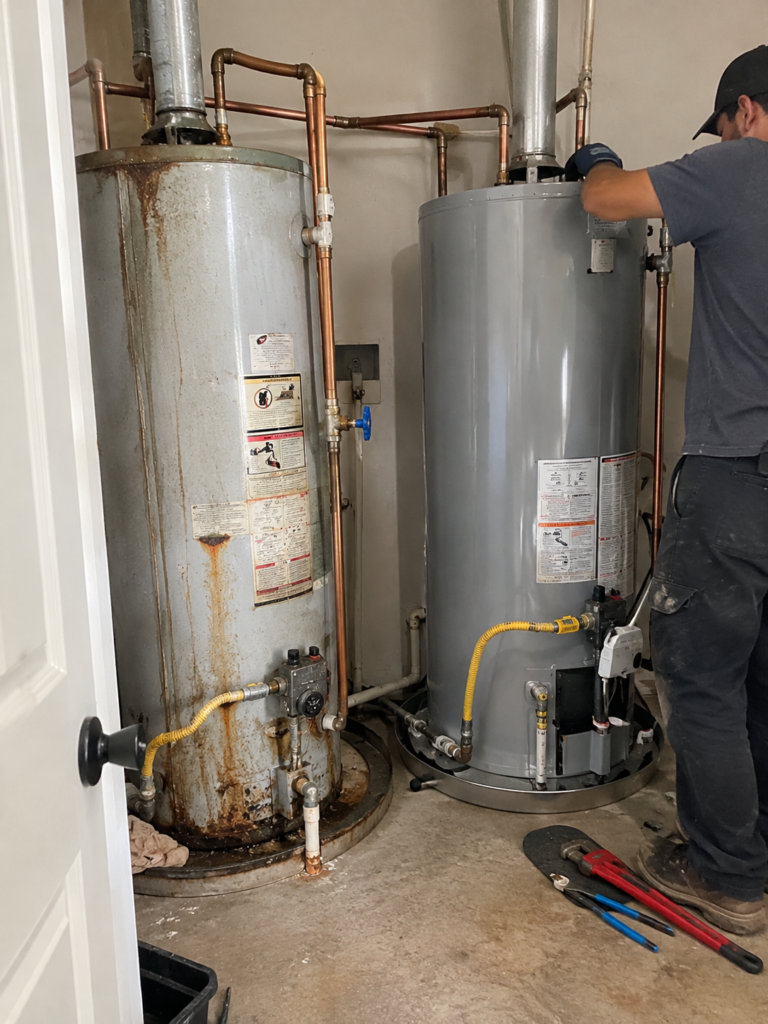
You know that sinking feeling when your water heater starts making weird noises? Or when your furnace struggles to keep up on those rare cold snaps we get here in Richmond? Now imagine both happening around the same time. If you’re reading this, chances are you’re not imagining it — you’re living it. That’s exactly what happened to Brady, one of our Richmond customers. His water heater was on its last legs, and his furnace wasn’t far behind. And like most homeowners facing this situation, his first thought was probably something along the lines of: “You’ve got to be kidding me. Both? Really?” But here’s where Brady’s story gets interesting — and why it might actually change how you think about this situation. Brady’s Story: When Everything Decides to Break at Once Brady called us on a Tuesday afternoon. His water heater had started leaking that morning, and honestly, he wasn’t even surprised. The thing was 14 years old, making strange gurgling sounds for months, and he’d been mentally preparing for its demise. But during our initial phone conversation, he mentioned something else: “While you’re here, would you mind taking a look at my furnace? It’s about the same age, and last winter it just didn’t seem to heat like it used to.” Smart man, that Brady. Our technician came out the next day for what Brady thought would be a simple water heater replacement estimate. But after inspecting both systems, the reality became clear: both units were living on borrowed time. The water heater needed immediate replacement, and the furnace, while still technically functioning, was showing clear signs of age-related decline — reduced efficiency, minor heat exchanger corrosion, and intermittent ignition issues that would only get worse. Brady faced a choice many Richmond homeowners encounter: replace them one at a time as they fail, or tackle both now? He chose to do both. And looking back, he told us it was one of the best home improvement decisions he’d made. Let me show you why that decision makes more sense than you might think — especially here in Richmond. The Reality of System Lifespans (And Why They Often Fail Together) Here’s something most homeowners don’t realize: if your major systems were installed around the same time — which often happens in new construction or during whole-home renovations — they’re likely to reach the end of their service life around the same time too. Typical lifespans in Richmond’s climate: Water heaters: 8-12 years (sometimes less with our hard water) Furnaces: 15-20 years (though efficiency drops significantly after 12-15 years) Air conditioning units: 10-15 years Notice anything? These windows overlap significantly. If your home was built in 2008-2012 (there was a lot of construction in Richmond during that period), you’re right in that sweet spot where multiple systems might be approaching replacement territory simultaneously. And here’s the kicker: once one major system fails, the others aren’t far behind. It’s like dominoes, except each domino costs a few thousand dollars. Why Replacing Both at Once Actually Makes Financial Sense I know what you’re thinking. “Great, so instead of one big expense, you’re suggesting I double it? How is that helping my wallet?” Fair question. Let me break down the actual math, because when you look at the numbers — really look at them — the combined replacement often comes out ahead. The One-Time Labor Savings When we install a water heater, there’s labor involved. When we install a furnace, there’s labor involved. When we do both at once, we don’t charge double labor. Here’s why: We’re already there. Our truck is in your driveway. Our crew is on-site. We’ve already pulled permits. We’re working in related areas of your home. For Brady’s project, combining the installations saved him approximately $450-600 in labor costs compared to if he’d scheduled them separately six months apart. That’s real money back in your pocket. Permitting and Inspection Efficiency In Richmond, both water heater and furnace installations require permits and inspections. When you do them separately: Two permit fees Two inspection scheduling processes Two days waiting for inspectors Two sets of paperwork When you do them together: Combined permit processing (often at a reduced total cost) Single inspection visit One day of coordinating with inspectors Streamlined paperwork Brady didn’t have to take two separate days off work. The inspector came once, checked everything, and he was done. In terms of your time — which is valuable — that’s significant. Financing Leverage This one surprises people, but it’s real: financing one larger project often gets you better terms than financing two smaller ones. When Brady chose to finance both replacements together, he qualified for: A lower interest rate on the combined amount Better monthly payment terms One loan instead of two separate payment obligations Promotional financing that wouldn’t have been available for a single-unit replacement Financial institutions view larger home improvement projects as more stable investments, which often translates to better rates for you. Future-Proofing Your Budget Here’s the psychological benefit that Brady mentioned when we followed up six months later: peace of mind. He wasn’t waiting for the other shoe to drop. He wasn’t wondering if this would be the winter his furnace would quit. He wasn’t mentally bracing for another major expense in six months or a year. Both systems were new, both were under warranty, and he could actually budget for other things knowing he’d handled his major home systems. “I sleep better knowing both are done,” he told us. “Last winter I kept the thermostat lower than I wanted because I was worried about stressing the old furnace. Now I just set it where my family’s comfortable.” That’s not just financial value — that’s quality of life value. The Richmond Factor: Why Our Climate Makes This Even More Important Living in Richmond, Texas comes with some specific considerations that make the dual replacement decision even more relevant. Our Water Quality Reality Let’s talk about something every Richmond homeowner knows: our water isn’t exactly

Scroll to Top