Temper Mechanical Air and Heat LLC

Uncategorized

Precision Ion HVAC System Installation
Uncategorized

Ion System vs Standard AC: Is the Smart Home Upgrade Worth It in Richmond TX?

If you are a homeowner in Richmond TX and your air conditioning system is starting to show its age, you already know the feeling. The unit runs longer than it used to. Your electricity bill climbs every summer. Some rooms never quite cool down the way they should. And then one day, a technician tells you it is time to start thinking about a replacement. That is usually when the real question comes up. Do you replace it with a standard system and keep things simple, or do you invest in something more advanced like an Ion system and hope the upgrade pays off over time? This is one of the most common conversations we have with homeowners across Richmond, and there is no one size fits all answer. What we can do is walk you through the real differences so you can make the decision that actually fits your home, your budget, and the way you live. Why Most Homeowners in Richmond TX Default to Standard AC Units The honest answer is simple. When your AC goes out in the middle of a Texas summer, comfort becomes urgent and budget becomes the first filter. A standard AC system costs less upfront, is widely available, and gets the job done in a basic sense. Most homeowners just want cool air back in the house as fast as possible. There is nothing wrong with that thinking. Standard systems are reliable, straightforward to install, and easy to service. For a lot of households, especially those without long term plans to stay in the home, a standard unit makes complete sense. But if you plan to stay in your Richmond home for several more years, it is worth slowing down and understanding what you are actually choosing between before you commit. The Hidden Downsides of Basic AC Systems in Texas Heat A standard AC system works like a light switch. It is either fully on or fully off. When the temperature inside rises above your thermostat setting, the system kicks on at full power and runs until the temperature drops back down. Then it shuts off completely. This is called single stage operation, and it works fine in mild climates. Richmond TX is not a mild climate. From May through September, temperatures regularly push into the upper 90s and humidity sits heavy in the air, especially closer to the Brazos River where moisture from the surrounding landscape makes everything feel thicker and more oppressive. A single stage system in this environment is constantly playing catch up. It runs hard, cycles off, then runs hard again. That constant on and off cycling creates a few real problems. First, it does not remove humidity effectively. Humidity reduction actually happens during the cooling cycle, and when a system is short cycling, it does not run long enough to pull adequate moisture out of the air. Your home might hit the right temperature on the thermostat but still feel sticky and uncomfortable because the humidity was never properly addressed. Second, single stage systems struggle with consistent temperature distribution. In multi-room homes or two story layouts, certain areas cool down quickly while others lag behind. You end up with bedrooms that feel fine and a living room that still feels warm, or an upstairs that never quite matches what the thermostat says downstairs. Third, running at full capacity every cycle is harder on the system and harder on your electricity bill during the months when Richmond heat is at its worst. What Makes the Ion System Different, Explained Simply Think of a standard AC system like driving with only two options, full gas or full brake. You get where you are going but the ride is rough and you burn more fuel than necessary. An Ion system works more like cruise control. Instead of blasting on at full power and shutting off abruptly, it constantly makes small adjustments to maintain the comfort level you set. It ramps up when it needs to, slows down when it does not, and finds the most efficient speed to keep your home feeling exactly right without the dramatic swings of a single stage unit. The variable speed technology inside an Ion system means the equipment is almost always running at a lower, more efficient capacity rather than full throttle. This changes how the system interacts with your home in ways that go beyond just temperature. How the Ion System Handles Humidity in Richmond TX Homes This is where the Ion system earns its reputation in climates like ours. Because the system runs longer cycles at lower speeds instead of short aggressive bursts, it has significantly more time to pull moisture out of the air during each cycle. In Richmond, where Brazos River humidity is a real and constant factor from spring through fall, this makes a noticeable difference in how your home actually feels day to day. Homeowners who upgrade from standard units to variable speed systems consistently report that the air inside feels cleaner and less heavy, even before the temperature changes significantly. That is because humidity control and temperature control are two different things, and an Ion system handles both at the same time without sacrificing one for the other. For families where anyone deals with allergies, asthma, or just general sensitivity to heavy indoor air, this aspect alone is often the most meaningful difference. Energy Efficiency and Long Term Savings The upfront cost of an Ion system is higher than a standard unit, and we are not going to pretend otherwise. That is a real consideration and a legitimate reason some homeowners choose the standard route. But the long term picture looks different. A variable speed system uses significantly less electricity during normal operation because it rarely runs at full capacity. Over a full Richmond summer, that efficiency adds up in real dollars on your utility bill. Systems like these also tend to have longer operational lifespans because they are not cycling hard on and off thousands of

Why Heating Maintenance Saves Money in Richmond TX Winters
Uncategorized

Why Heating Maintenance Saves Money in Richmond TX Winters

Let me guess: you’re reading this because your heating bill just came in, and you nearly choked on your coffee. Or maybe your furnace made a weird noise last week, and you’re wondering if you should worry about it. Or possibly, you’re just a smart homeowner who wants to avoid expensive surprises. Whatever brought you here, I’m glad you’re asking questions. Because here’s the truth that most Richmond folks don’t realize until it’s too late: that furnace you ignore all year? It’s quietly costing you money right now. Every single month you skip maintenance, you’re basically lighting dollar bills on fire. Let me show you exactly why—and more importantly, what you can do about it. The Richmond Winter Reality Check First, let’s be honest about our winters here in Richmond, Texas. We’re not talking Minnesota. We’re not even talking Dallas. Most days we’re in the 50s and 60s, maybe dipping into the 40s at night. You might even wear shorts on Christmas if you’re feeling rebellious. But here’s what makes our winters tricky: they’re unpredictable. One week it’s 75 degrees and you’re running the AC. The next week it’s 38 degrees and your furnace is working overtime. Remember that freeze in February 2021? Yeah, we all do. Systems that were “fine” suddenly weren’t fine when they actually had to work hard for days straight. This on-again, off-again pattern is actually harder on your heating system than consistent cold would be. It’s like doing interval sprints instead of a steady jog—your furnace never settles into a rhythm, and that creates wear and tear you can’t see. What Actually Happens When You Skip Maintenance Here’s what most people think: “My furnace turns on when I need it. It makes heat. What else matters?” I get it. If it’s not broken, why fix it, right? But your furnace isn’t a light switch. It’s a complex system with moving parts, electrical connections, gas flow, heat exchangers, and safety controls all working together. And in Richmond’s climate, it’s dealing with some unique challenges. The Dust and Humidity Double Whammy We’ve got dust here. From construction, from dry spells, from the farmland around us—it’s everywhere. And when you’re not running your heat regularly (because, hello, it’s Texas), that dust settles inside your furnace. Then when you do fire it up, you’re burning dust, which creates buildup on burners, clogs airflow, and makes your system work harder than it should. Add our humidity into the mix, and you’ve got the perfect recipe for corrosion on components that should stay clean and dry. The Efficiency Slide You Don’t Notice Here’s the sneaky part: your furnace doesn’t suddenly stop working. It slowly becomes less efficient, month by month, year by year. Maybe it used to heat your home to 72 degrees in twenty minutes. Now it takes thirty-five minutes. You don’t really notice because it’s gradual. But your gas meter notices. Your utility company definitely notices. And your wallet feels it. A neglected furnace can lose 15-25% of its efficiency over just a few years. On a $120 monthly gas bill during winter, that’s $18-30 extra every single month. Over five months of heating season, you’re throwing away $90-150 annually. And that’s conservative. The Small Problems Becoming Big Expenses Last winter, we got a call from a homeowner in Pecan Grove. Her furnace quit on a 35-degree night. The problem? A $12 igniter that had been failing slowly for months. If she’d had maintenance, we would’ve caught it during inspection and replaced it for about $80 total. Instead, she paid: $150 emergency service call fee (because it was 9 PM) $180 for the repair A cold, uncomfortable night waiting for us to arrive Total: $330 for a problem that would’ve cost $80 with regular maintenance That’s the pattern we see constantly. Small issues caught during maintenance are cheap fixes. Small issues that become complete failures? Not cheap. What Actually Happens During Professional Maintenance Let me walk you through what we actually do when we come out for a maintenance visit. This isn’t some vague “tune-up”—it’s a comprehensive inspection and service. The 20-Point Richmond-Specific Inspection: We check your thermostat calibration—sounds boring, but a thermostat that’s off by even 2 degrees makes your system run way more than needed. We inspect and clean your burners. In Richmond’s dusty environment, burners get gunked up. Dirty burners = incomplete combustion = wasted gas = higher bills. We test your heat exchanger thoroughly. This is critical because a cracked heat exchanger can leak carbon monoxide. It’s not common, but when it happens, it’s dangerous. We’re not just looking for cracks—we’re looking for early signs of stress. We measure airflow across your system. Restricted airflow (from dirty filters, blocked vents, or duct issues) makes your furnace work harder. We find and fix these issues. We clean or replace your filter—yes, you can do this yourself, but we also check if you’re using the right type for Richmond’s conditions. We test all safety controls. Your furnace has multiple safety switches. If any fail, your system shuts down at the worst possible moment. We verify they’re all working correctly. We check electrical connections. Loose connections create resistance, which creates heat, which creates failure. We tighten everything. We inspect your venting system. Proper venting is crucial for safety and efficiency. We make sure combustion gases are exiting your home correctly. We lubricate moving parts where needed. Less friction = less wear = longer lifespan. We test your system under load to make sure it actually heats properly, not just turns on. The whole process takes about 60-90 minutes. We’re not rushing through with a clipboard. We’re actually inspecting, testing, and servicing your equipment. The Real Math: Maintenance Cost vs. Savings Let’s talk actual numbers, because vague promises don’t help you make decisions. Average annual maintenance cost in Richmond: $95-150 Now let’s look at what you save: Efficiency Savings: A well-maintained furnace runs 15-20% more efficiently than a neglected one. For a typical Richmond home spending $100-150/month on

Water Heater and Furnace Replacement at the Same Time — Is It Worth It in Richmond TX?
Uncategorized

Water Heater and Furnace Replacement at the Same Time — Is It Worth It in Richmond TX?

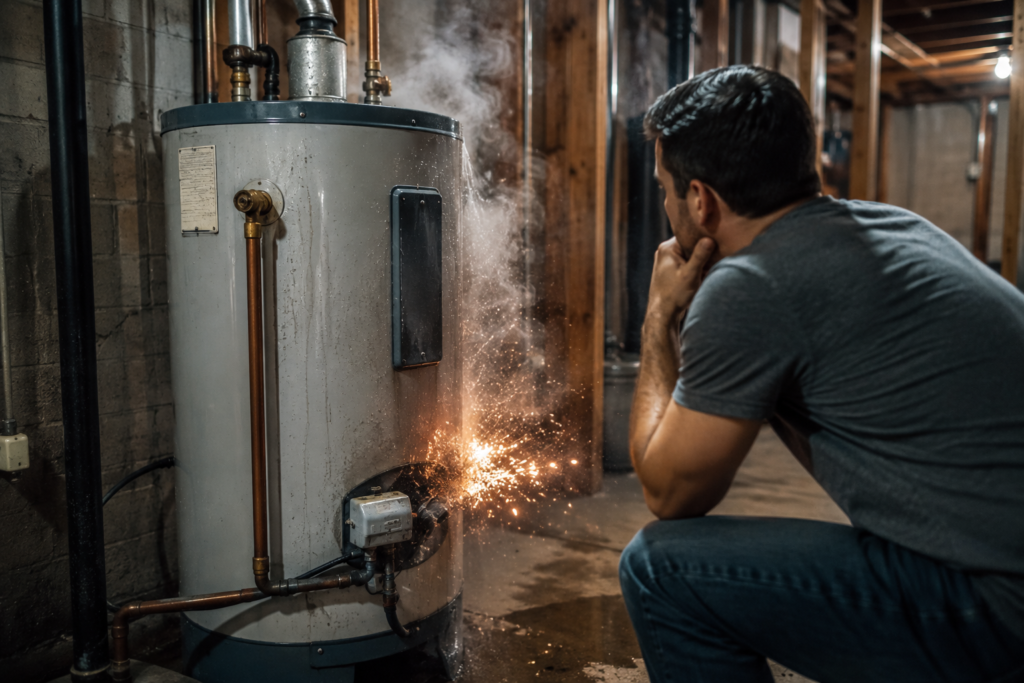
You know that sinking feeling when your water heater starts making weird noises? Or when your furnace struggles to keep up on those rare cold snaps we get here in Richmond? Now imagine both happening around the same time. If you’re reading this, chances are you’re not imagining it — you’re living it. That’s exactly what happened to Brady, one of our Richmond customers. His water heater was on its last legs, and his furnace wasn’t far behind. And like most homeowners facing this situation, his first thought was probably something along the lines of: “You’ve got to be kidding me. Both? Really?” But here’s where Brady’s story gets interesting — and why it might actually change how you think about this situation. Brady’s Story: When Everything Decides to Break at Once Brady called us on a Tuesday afternoon. His water heater had started leaking that morning, and honestly, he wasn’t even surprised. The thing was 14 years old, making strange gurgling sounds for months, and he’d been mentally preparing for its demise. But during our initial phone conversation, he mentioned something else: “While you’re here, would you mind taking a look at my furnace? It’s about the same age, and last winter it just didn’t seem to heat like it used to.” Smart man, that Brady. Our technician came out the next day for what Brady thought would be a simple water heater replacement estimate. But after inspecting both systems, the reality became clear: both units were living on borrowed time. The water heater needed immediate replacement, and the furnace, while still technically functioning, was showing clear signs of age-related decline — reduced efficiency, minor heat exchanger corrosion, and intermittent ignition issues that would only get worse. Brady faced a choice many Richmond homeowners encounter: replace them one at a time as they fail, or tackle both now? He chose to do both. And looking back, he told us it was one of the best home improvement decisions he’d made. Let me show you why that decision makes more sense than you might think — especially here in Richmond. The Reality of System Lifespans (And Why They Often Fail Together) Here’s something most homeowners don’t realize: if your major systems were installed around the same time — which often happens in new construction or during whole-home renovations — they’re likely to reach the end of their service life around the same time too. Typical lifespans in Richmond’s climate: Water heaters: 8-12 years (sometimes less with our hard water) Furnaces: 15-20 years (though efficiency drops significantly after 12-15 years) Air conditioning units: 10-15 years Notice anything? These windows overlap significantly. If your home was built in 2008-2012 (there was a lot of construction in Richmond during that period), you’re right in that sweet spot where multiple systems might be approaching replacement territory simultaneously. And here’s the kicker: once one major system fails, the others aren’t far behind. It’s like dominoes, except each domino costs a few thousand dollars. Why Replacing Both at Once Actually Makes Financial Sense I know what you’re thinking. “Great, so instead of one big expense, you’re suggesting I double it? How is that helping my wallet?” Fair question. Let me break down the actual math, because when you look at the numbers — really look at them — the combined replacement often comes out ahead. The One-Time Labor Savings When we install a water heater, there’s labor involved. When we install a furnace, there’s labor involved. When we do both at once, we don’t charge double labor. Here’s why: We’re already there. Our truck is in your driveway. Our crew is on-site. We’ve already pulled permits. We’re working in related areas of your home. For Brady’s project, combining the installations saved him approximately $450-600 in labor costs compared to if he’d scheduled them separately six months apart. That’s real money back in your pocket. Permitting and Inspection Efficiency In Richmond, both water heater and furnace installations require permits and inspections. When you do them separately: Two permit fees Two inspection scheduling processes Two days waiting for inspectors Two sets of paperwork When you do them together: Combined permit processing (often at a reduced total cost) Single inspection visit One day of coordinating with inspectors Streamlined paperwork Brady didn’t have to take two separate days off work. The inspector came once, checked everything, and he was done. In terms of your time — which is valuable — that’s significant. Financing Leverage This one surprises people, but it’s real: financing one larger project often gets you better terms than financing two smaller ones. When Brady chose to finance both replacements together, he qualified for: A lower interest rate on the combined amount Better monthly payment terms One loan instead of two separate payment obligations Promotional financing that wouldn’t have been available for a single-unit replacement Financial institutions view larger home improvement projects as more stable investments, which often translates to better rates for you. Future-Proofing Your Budget Here’s the psychological benefit that Brady mentioned when we followed up six months later: peace of mind. He wasn’t waiting for the other shoe to drop. He wasn’t wondering if this would be the winter his furnace would quit. He wasn’t mentally bracing for another major expense in six months or a year. Both systems were new, both were under warranty, and he could actually budget for other things knowing he’d handled his major home systems. “I sleep better knowing both are done,” he told us. “Last winter I kept the thermostat lower than I wanted because I was worried about stressing the old furnace. Now I just set it where my family’s comfortable.” That’s not just financial value — that’s quality of life value. The Richmond Factor: Why Our Climate Makes This Even More Important Living in Richmond, Texas comes with some specific considerations that make the dual replacement decision even more relevant. Our Water Quality Reality Let’s talk about something every Richmond homeowner knows: our water isn’t exactly

Indoor Air Quality Pecan Grove TX | Why Allergies Get Worse in Humid Months
Uncategorized

Indoor Air Quality in Pecan Grove TX: Why Allergies Get Worse in Humid Months

If you live in Pecan Grove and your allergies seem to flare up more inside your home than outside, you are not imagining it. This is actually a very common experience for families in this area, and humidity is one of the biggest reasons behind it. The good news is that once you understand what is happening inside your home, fixing it becomes a lot less overwhelming. This article is going to walk you through everything in plain, simple terms so you know exactly what is going on and what you can do about it. Why Pecan Grove Humidity Is Different From Other Places Pecan Grove sits in the greater Houston area, and if you have lived here for any amount of time, you already know how thick the air gets from spring through early fall. The humidity in this region regularly climbs above 70 percent, and during peak months it can feel like you are walking through a wall of warm moisture the moment you step outside. What most people do not realize is that this outdoor humidity does not stay outside. It works its way into your home through doors, windows, small cracks in walls, and even through your HVAC system if it is not properly maintained. Once that moisture is inside, it creates the perfect environment for things that trigger allergies to grow and spread. What Actually Grows When Your Home Gets Too Humid When indoor humidity stays above 50 percent consistently, a few things start happening that directly affect the air you and your family breathe every single day. Mold and Mildew Start Growing Mold does not need much. It needs a surface, warmth, and moisture. Your walls, ceiling corners, bathroom tiles, window sills, and even inside your air ducts can become a home for mold when humidity is too high. The tricky part is that mold spores are microscopic. You may not see visible mold anywhere in your home but still be breathing in spores that are causing your eyes to water, your throat to scratch, and your nose to run constantly. Dust Mites Multiply Faster Dust mites are one of the most common indoor allergens, and they thrive in humid conditions. These tiny creatures live in mattresses, pillows, carpets, and upholstered furniture. They feed on dead skin cells and reproduce rapidly when the air in your home holds more moisture. When their population increases, so does the amount of their waste particles in your air, and those particles are what actually trigger allergic reactions in most people. Pet Dander Spreads More Easily If you have pets, humidity makes the situation worse. Humid air causes pet dander to stay airborne longer instead of settling on surfaces. This means you and your family are breathing it in throughout the day without realizing it. Even families who have lived with pets for years start noticing increased allergy symptoms when humidity levels are elevated. Air Feels Heavy and Harder to Breathe Beyond allergens, high humidity itself puts extra strain on your respiratory system. Breathing in thick, moist air is simply harder work for your lungs. For people with asthma or seasonal allergies, this alone can trigger symptoms even when allergen levels are not particularly high. Signs That Indoor Air Quality Is Affecting Your Health A lot of people assume their allergy symptoms are coming from pollen outside. They take medication and wait for the season to pass. But if your symptoms are actually worse indoors, especially in the bedroom or main living areas, that is a strong signal that your indoor air quality is the real issue. Here are some things to pay attention to: You wake up with a stuffy or runny nose even after a full night of sleep. Your eyes feel irritated more often when you are home than when you are out. You notice a musty smell in certain rooms that does not go away even after cleaning. Family members who do not normally have allergies start sneezing or coughing more than usual. Your throat feels dry or scratchy after spending time indoors. None of these things are normal, and none of them mean something is seriously wrong with your health. They are your home telling you that the air inside needs some attention. How Your HVAC System Plays a Role in All of This Your heating and cooling system does more than just control temperature. It is also the main tool your home has for managing air quality and humidity. When it is working properly and maintained regularly, it filters out particles, controls moisture, and keeps the air moving in a healthy way. When it is not working properly, it does the opposite. A clogged or dirty air filter stops your system from capturing dust, dander, mold spores, and other particles. Instead of trapping them, the system just keeps pushing them back into your living space. A system that is oversized or undersized for your home will not run long enough to properly dehumidify the air, which means moisture builds up even when the system is technically running. Old or dirty air ducts can harbor years of dust, debris, and even mold that gets pushed through your vents every time the system kicks on. Getting your HVAC system checked, your filters replaced regularly, and your ducts cleaned when needed is one of the most direct things you can do to improve the air inside your home. Simple Things You Can Do Right Now You do not have to overhaul your entire home to start making a difference. Some of these steps are small and easy but they create real change over time. Change your air filter every 30 to 60 days during humid months. A standard filter is not always enough for allergy sufferers. Talk to your HVAC technician about filters with a higher MERV rating that capture smaller particles more effectively. Run your HVAC system consistently rather than turning it on and off throughout the day. Consistent operation helps regulate humidity

Whole-Home Water Treatment: Do You Really Need It? 2026 Guide
Uncategorized

“Do You Need a Whole-Home Water Treatment System? Cost + Benefits”

You’re probably reading this because your water doesn’t feel right. Maybe you’ve noticed white buildup on faucets and showerheads that won’t scrub off no matter how hard you try. Perhaps your skin feels dry and itchy after every shower, or your clothes come out of the wash looking dingy and feeling stiff. You might have tasted something metallic or chlorinated when filling a glass from the tap, making you hesitate before drinking. These aren’t small annoyances. They’re daily reminders that the water flowing through your home affects everything from your morning coffee to your family’s health, from your plumbing’s lifespan to your monthly utility bills. Whole-home water treatment systems promise to solve these problems by addressing water quality at the point where it enters your house, treating every drop before it reaches any faucet, appliance, or fixture. But these systems represent significant investments, often costing thousands of dollars upfront. That raises a real question: do you actually need one, or are you better off with simpler solutions? Let’s work through this decision together, honestly examining what whole-home water treatment does, what it costs, who genuinely benefits, and when simpler alternatives make more sense. What Whole-Home Water Treatment Actually Means The term “whole-home water treatment” gets used loosely, sometimes describing everything from simple sediment filters to comprehensive multi-stage systems addressing numerous water quality issues simultaneously. Understanding what you’re actually considering matters before evaluating whether you need it. A true whole-home system treats all water entering your house. Installation happens at your main water line, before it branches to different fixtures and appliances. Everything that uses water receives treated water, not just your kitchen sink or refrigerator. This differs fundamentally from point-of-use systems like under-sink filters or refrigerator water dispensers, which only treat water at specific locations. Those solutions help with drinking and cooking water but do nothing for showers, washing machines, dishwashers, or the water your water heater processes. Whole-home systems can include various treatment methods: Water softeners remove hardness minerals like calcium and magnesium through ion exchange, replacing them with sodium or potassium. This addresses the white buildup, soap scum, and scale formation hard water causes. Sediment filters remove particles like sand, silt, rust, and debris that make water cloudy or damage fixtures and appliances. These protect your plumbing system while improving water clarity. Carbon filters eliminate chlorine, chloramines, and organic compounds affecting taste and odor. They also remove certain chemicals and reduce some contaminants. Whole-house reverse osmosis systems force water through membranes that filter out an extensive range of contaminants including heavy metals, dissolved solids, and many chemicals. These represent the most comprehensive filtration available. UV purification systems use ultraviolet light to kill bacteria, viruses, and other microorganisms without chemicals. Well water often benefits from UV treatment. Iron and sulfur filters address specific issues common in well water, removing dissolved iron that stains fixtures and sulfur that creates rotten egg odors. Many whole-home systems combine multiple treatment methods, creating customized solutions for specific water quality challenges. A system might include sediment filtration, water softening, and carbon filtration all working together. Signs You Might Actually Need Whole-Home Treatment Not everyone needs whole-home water treatment. Some homes have water quality good enough that expensive treatment systems provide minimal noticeable benefit. But certain signs strongly suggest comprehensive treatment would significantly improve your daily life and protect your home. Your fixtures and appliances show mineral buildup. White or greenish crusty deposits on faucets, showerheads, and around drains indicate hard water leaving mineral scale as water evaporates. Inside your water heater, dishwasher, and washing machine, these same minerals accumulate on heating elements and internal components, reducing efficiency and shortening equipment lifespan. If you’re constantly scrubbing buildup or replacing scale-damaged appliances, water softening would address the root cause. Your skin and hair feel dry after bathing. Hard water makes soap less effective, leaving residue on your skin rather than rinsing clean. This film contributes to dryness, itchiness, and irritation. Hair becomes brittle and difficult to manage. Many people don’t realize their skin problems connect to water quality until they experience soft water and notice dramatic improvements. Your laundry struggles continue despite everything you try. Clothes fade faster, whites turn gray, fabrics feel rough and wear out quickly. You use excessive detergent trying to get clothes clean, but hard water minerals interfere with soap effectiveness regardless of how much you add. Water softeners dramatically reduce detergent needs while improving cleaning results and fabric longevity. Your water has noticeable taste or odor. Chlorine tastes and smells affect drinking water, cooking, and even showering. Metallic tastes from iron or copper indicate dissolved metals in your water. Rotten egg smells from sulfur make water unpleasant for any use. These problems throughout your home benefit from whole-home treatment rather than trying to filter at individual taps. You rely on well water. Municipal water receives treatment before reaching homes, though it’s not always sufficient. Well water comes directly from underground aquifers with whatever minerals, bacteria, and contaminants exist there. Well owners take responsibility for water quality themselves, making whole-home treatment far more common and often genuinely necessary for safe, pleasant water. Water testing revealed specific contaminants. Professional water testing identifies exactly what’s in your water and at what concentrations. High levels of hardness minerals, iron, manganese, sulfur, bacteria, or other contaminants indicate treatment would provide measurable benefits. Testing provides the information needed to choose appropriate treatment rather than guessing what you might need. Your plumbing requires frequent repairs. Scale buildup from hard water narrows pipes, reduces water pressure, and causes premature failures in fixtures, valves, and appliances. If you’re calling plumbers repeatedly for issues that seem related to mineral deposits or corrosion, treating your water protects your plumbing investment. What Whole-Home Water Treatment Systems Actually Cost Understanding costs realistically helps you budget appropriately and evaluate whether the investment makes financial sense for your situation. Prices vary enormously based on what you’re treating, which treatment methods you need, and your home’s size. Basic water softener systems for average homes typically cost

Uncategorized

What Happens During a Furnace Diagnosis? A Richmond TX Homeowner’s Inside Look

View More Reviews Here You just called an HVAC company because your furnace stopped working. The person on the phone says they’ll send a technician to diagnose the problem. You agree, schedule the appointment, then hang up wondering what exactly you just agreed to. What does diagnosis actually mean? Is the technician going to just glance at your furnace and guess? How long does it take? What will they touch? What tools will they use? And most importantly, will you understand what they find and why it matters? These are the questions Richmond homeowners ask us constantly. Not after we’ve finished the work, but before we even arrive. They want to know what’s about to happen in their home, which is completely fair. Your furnace sits in your attic, your closet, or your garage. A stranger is about to spend time examining it, poking around with tools, and then telling you what’s wrong and what it will cost to fix. Let’s walk through exactly what happens during a professional furnace diagnosis, so when a technician shows up at your door, you know what to expect and why each step matters. The First Five Minutes: Questions Before Tools Good furnace diagnosis starts before anyone touches your equipment. The technician arriving at your Richmond home should ask you questions that feel specific and thoughtful, not generic. “When did you first notice the problem?” This timing matters because recent sudden failures suggest different causes than issues developing gradually over weeks. “What exactly is the furnace doing or not doing?” Homeowners describe symptoms in everyday language. “It clicks but doesn’t blow air” means something very different than “It runs but the air isn’t warm” or “Nothing happens at all when I turn it on.” “Have you noticed any smells or sounds before it stopped working?” Burning odors, gas smells, squealing, banging, or humming all point toward specific components likely failing. “Has anything changed recently in your home?” New thermostat installations, remodeling work, or even heavy storms can affect furnace operation in ways homeowners don’t immediately connect. These questions aren’t small talk. They create a mental map for the technician about where to focus diagnostic attention. A furnace that worked fine yesterday and suddenly stopped completely follows a different diagnostic path than one that’s been struggling for weeks. If a technician shows up, walks straight to your furnace without asking a single question, and starts taking things apart, that’s a red flag. They’re guessing, not diagnosing. What Professional Technicians Bring With Them When our technicians arrive for furnace diagnosis in Richmond TX homes, their service vehicle contains specific tools designed for accurate testing rather than guessing. Here’s what actually gets used and why it matters. Multimeter: This measures electrical voltage, resistance, and continuity. Furnaces have numerous electrical components including transformers, capacitors, flame sensors, and control boards. A multimeter tells the technician whether these parts receive proper power and function within correct electrical ranges. Visual inspection can’t determine if a capacitor is weak or a sensor’s resistance has drifted out of spec. Testing does. Manometer: This measures gas pressure to your furnace. Too much or too little pressure causes incomplete combustion, inefficient operation, or complete failure to ignite. Natural gas pressure should fall within a specific range. Testing confirms whether your furnace receives what it needs. Combustion analyzer: This measures what’s happening during the burning process including oxygen levels, carbon monoxide production, and combustion efficiency. These readings reveal problems invisible to the naked eye and catch safety issues before they become dangerous. Thermometer (infrared and probe types): Temperature measurements throughout your system show whether heat exchange happens properly, whether air temperatures match what they should be, and whether components run too hot or too cold. Inspection mirror and flashlight: Your furnace has areas difficult to see directly. Mirrors let technicians inspect heat exchangers, burner assemblies, and other components without full disassembly. The presence of testing equipment versus just hand tools tells you whether you’re getting real diagnosis or educated guessing. Both might reach the same conclusion sometimes, but only one approach gives you confidence the answer is actually correct. Step-by-Step: What Actually Happens During Diagnosis Professional furnace diagnosis follows a logical sequence that starts broad and narrows down as findings accumulate. Here’s what happens in order. Checking the Thermostat and Basic Power Before assuming your furnace itself has failed, technicians verify the systems controlling it work correctly. The thermostat gets checked for proper settings, battery condition if applicable, and whether it actually calls for heat when set appropriately. Circuit breakers get verified. Furnaces typically have a main disconnect and sometimes a secondary safety switch. If either is off, the furnace won’t run regardless of its condition. This takes maybe five minutes, but it eliminates the simplest explanations before investing time in complex diagnosis. Occasionally, the problem ends here. Someone accidentally switched off the disconnect, or thermostat batteries died. Quick fixes, no parts needed. Visual Inspection of the Entire System With power confirmed, the technician examines your furnace visually before removing panels or testing components. They’re looking for obvious problems like disconnected wires, visible damage, corrosion, rust, water stains indicating leaks, or anything that clearly doesn’t belong. Ductwork near the furnace gets checked for disconnections, damage, or severe leaks. Air filters get examined for blockages that restrict airflow enough to cause safety shutdowns. Exhaust venting gets inspected to ensure nothing blocks the path combustion gases need to exit your home safely. This visual pass identifies problems that don’t require testing to confirm and establishes context for the component-level diagnosis that follows. Testing the Ignition Sequence Modern furnaces follow a specific startup sequence. Understanding what should happen helps identify where the sequence breaks down. When your thermostat calls for heat, your furnace should initiate its draft inducer motor, which pulls air through the system and vents combustion gases outside. Pressure switches confirm this airflow, and only after successful verification does the system proceed to ignition. Next, your igniter glows hot (in electronic ignition systems) or your pilot

Called at 4 PM, Fixed by Next Morning — How Same-Day Furnace Repair Actually Works in Richmond TX
Uncategorized

Called at 4 PM, Fixed by Next Morning — How Same-Day Furnace Repair Actually Works in Richmond TX

  View More Reviews here Ian called us at 4 PM on a weekday. His furnace wasn’t working, temperatures were dropping, and he had no idea if anyone would even pick up that late in the afternoon, let alone come out the same day. We sent Terry out within hours. By the next morning, Ian had heat again. That experience stuck with us because it represents exactly what homeowners in Richmond deserve when something goes wrong with their heating system. Not a “we’ll get you on the schedule next week” response. Not a voicemail. Actual same-day service that solves real problems for real families. But here’s what most homeowners don’t know: same-day furnace repair isn’t magic. There’s a real process behind it. Understanding how it works helps you know what to expect, how to communicate your problem effectively, and why some companies can pull it off while others can’t. What Actually Happens When You Call at 4 PM The moment you call matters more than most people realize. A 4 PM call sits in an interesting window. Late enough that some companies start redirecting calls to answering services. Early enough that a properly staffed local HVAC company can still dispatch a technician before the evening ends. When Ian called, the first thing our team did was ask the right questions. Not just “what’s wrong with your furnace?” but specific questions that help a technician arrive prepared rather than starting from scratch. Questions that matter during that first call: What is the furnace doing exactly? Does it try to start and shut off? Is there no response at all? Does it make noise but produce no heat? Each symptom points in a different direction, and knowing beforehand determines what a technician brings in the truck. How old is the system? A 15-year-old furnace with the same symptoms as a 3-year-old system might have completely different root causes. Age narrows the diagnostic path significantly. What brand and model do you have? Experienced technicians often know common failure points for specific brands before they ever step through your door. This information shortens diagnostic time considerably. Has this happened before? Recurring problems signal different causes than first-time failures. These questions aren’t just intake formalities. They shape whether a technician arrives with the parts most likely needed or has to make an additional supply run, which directly affects how quickly your heat gets restored. The Drive Over: Why Local Companies Matter for Same-Day Service When Terry drove to Ian’s home that evening, he wasn’t commuting from a distant dispatch center. He was local. That matters enormously for same-day service in Richmond TX. National HVAC chains often operate from centralized dispatch, routing technicians from wherever they happen to be in a region. Local companies know Fort Bend County’s neighborhoods. They know the routes, the traffic patterns, and realistically how long it takes to get from one part of Richmond to another. Local also means inventory. Terry’s service vehicle carried parts appropriate for the systems common in Richmond-area homes. Not a generic national inventory, but parts relevant to the equipment our local community actually uses. When a technician arrives within hours of your 4 PM call, that response reflects advance preparation, not luck. What Terry Actually Did When He Arrived This is where Ian’s experience gets interesting. He specifically mentioned learning a lot while Terry worked. That’s not a small thing. It speaks to how genuine diagnosis differs from rushed guesswork. Terry didn’t walk in, glance at the furnace, and start replacing parts randomly hoping something worked. He followed a methodical diagnostic process that confirmed the actual problem before touching anything. Here’s what proper furnace diagnosis includes: Checking the thermostat first. Many furnace “failures” are actually thermostat failures. Verifying the thermostat communicates correctly with the furnace eliminates the simplest explanation before assuming complex ones. Inspecting electrical components. Capacitors, contactors, and control boards fail more often than most homeowners realize. Visual inspection combined with electrical testing identifies component failures quickly. Checking the flame sensor and igniter. These components are responsible for initiating and maintaining combustion. A dirty or failed flame sensor causes furnaces to attempt ignition, fail, and shut down repeatedly. Customers describe this as furnace “clicking” without producing heat. Examining the heat exchanger. This step matters for safety beyond just function. Cracked heat exchangers allow combustion gases including carbon monoxide to mix with circulating air. Any technician who skips this check isn’t doing a complete job. Verifying the pressure switches and draft inducer. High-efficiency furnaces use pressure switches confirming proper venting before allowing ignition. A failed inducer motor or blocked flue causes pressure switch failures that prevent furnace operation. Checking gas pressure and burner operation. Gas supply issues, dirty burners, or ignition problems all present similarly but require different solutions. Proper diagnosis identifies which is actually responsible. Terry explained each step to Ian as he worked. That patience and transparency is what earns five-star reviews and repeat customers. Understanding what failed and why helps homeowners make informed decisions about repair, maintenance, and future service. The Part Situation: Why Some Repairs Take Until Morning Here’s the honest reality of same-day furnace repair that most companies won’t tell you: some repairs genuinely can’t be completed the same day, and that’s not a failure. It’s honesty. When Terry diagnosed Ian’s furnace that evening, he identified the problem and had a clear repair plan. But the specific part needed wasn’t on his truck. This happens. The right move, which is what Terry did, is confirming the diagnosis completely, explaining exactly what’s needed, and arranging part procurement for first thing the following morning. Ian woke up knowing exactly when Terry was returning, what part was coming, and what the repair would cost. That certainty is almost as valuable as having heat restored the same night. By the following morning, Terry had the part, completed the repair, and Ian’s furnace ran properly before noon. Compare this to the alternative: Some companies attempt same-day repairs with the wrong parts or incomplete diagnoses, creating

Emergency AC Repair Near Me: What to Do When Your System Stops at Night
Uncategorized

Emergency AC Repair Near Me: What to Do When Your System Stops at Night

Your AC just stopped working. It’s 11 PM, your house is getting hotter by the minute, and tomorrow’s forecast shows 98 degrees. You’re sweating, frustrated, and need answers fast. Here’s exactly what to do right now. Step 1: Check These Things First (Takes 2 Minutes) Check Your Thermostat Is it set to “Cool” and below current temperature? Are the batteries dead? (Replace them if dim) Is the screen completely blank? (Check your breaker) Check Your Circuit Breakers Go to your electrical panel Look for tripped breakers (switched to middle or off position) Reset by switching fully OFF, then back ON Your AC usually has TWO breakers: one for indoor unit, one for outdoor Check Your Air Filter A completely clogged filter can shut down your system If it’s black/brown with dust, replace it immediately System might restart after 15-20 minutes with new filter Still not working? → You need professional help NOW. Call (346) 485-8142 for 24/7 Emergency AC Repair in Richmond TX Step 2: Assess If This Is a True Emergency Call for IMMEDIATE Emergency Service If: ✗ Indoor temperature exceeds 85°F with vulnerable family members (elderly, infants, health conditions) ✗ You smell burning, electrical odors, or see smoke ✗ You hear loud grinding, banging, or metal-on-metal sounds ✗ Water is leaking from your indoor unit ✗ Your outdoor unit is completely silent (no fan, no compressor sound) Can Wait Until Morning If: ✓ Indoor temp is uncomfortable but under 80°F ✓ You have fans and can open windows safely ✓ You can temporarily stay somewhere else ✓ No one in your home has heat-sensitive medical conditions For Emergency AC Repair: Call (346) 485-8142 Now What Emergency AC Repair Actually Costs at Night Be prepared for emergency pricing: Service call after hours: $150-$250 Labor rates: 25%-50% higher than daytime Common overnight repairs: Capacitor: $250-$450 Contactor: $200-$400 Blower motor: $500-$900 Refrigerant leak/recharge: $400-$1,200+ Worth it? Yes, if heat poses health/safety risks or you can’t function without AC. Want to save money? If safe to wait, schedule first-thing-morning service at regular rates. While Waiting for the Technician Cool your home temporarily: Close blinds/curtains to block heat Run ceiling fans counterclockwise Place box fans in windows (exhaust hot air OUT at night) Stay hydrated and wear light clothing Use cool, damp towels on neck and wrists Make sure technician can access: Clear path to your indoor unit (attic, closet, garage) Clear area around outdoor unit (remove plants, toys, debris) Turn on exterior lights if outdoor unit is in dark area Unlock any gates blocking access How to Choose Emergency AC Company at Night RED FLAGS – Avoid These Companies: Can’t provide license number over phone Won’t give you price range before arriving Pressure you to decide instantly Offer prices “too good to be true” No verifiable local address GREEN FLAGS – Look For: Licensed, insured, locally established Clear emergency pricing explained upfront Good online reviews (check Google quickly) Willing to answer questions Provides written estimate before starting work Questions to Ask Before They Arrive “What’s your emergency service call fee?” “Is that fee waived if I proceed with repairs?” “What forms of payment do you accept?” “How soon can you get here?” “Are your technicians licensed?” Get answers BEFORE committing. When the Technician Arrives Good technicians will: Show ID and company credentials Explain what they’re checking Diagnose BEFORE selling repairs Provide written estimate with breakdown Give you options (repair vs wait for daytime vs replace) Answer questions without pressure You should: Ask questions if anything is unclear Get written estimate before authorizing work Verify total cost including parts and labor Understand warranty on repairs Common Overnight AC Failures We Fix Capacitor Failure (Most Common) Your AC won’t start or hums but doesn’t run Usually fixed in 30-45 minutes Cost: $250-$450 emergency rate Contactor Problems Clicking sounds but no cooling Fixed quickly once diagnosed Cost: $200-$400 emergency rate Tripped Safety Switch Often caused by clogged drain line Quick fix if that’s the only issue Cost: $150-$300 depending on drain clearing needed Refrigerant Leak System runs but doesn’t cool May need leak repair + recharge Cost: $400-$1,200+ (complex repair) Blower Motor Failure No air from vents Motor replacement needed Cost: $500-$900 emergency rate After Emergency Repair: Next Steps Get these questions answered: How long will this repair last? What caused the failure? Are other components at risk? When should I schedule follow-up maintenance? Is this symptom of larger problems? Schedule daytime follow-up to discuss: System age and overall condition Whether additional preventative repairs make sense If replacement should be considered soon Prevent Future Night Emergencies Schedule annual spring maintenance BEFORE summer Catches 80% of problems before they cause failures Costs $89-$150 (far less than emergency calls) Extends system life 5+ years Change filters monthly during heavy use Prevents most common AC failures Takes 2 minutes, costs under $20 Don’t ignore warning signs: Weak cooling Strange noises Higher energy bills Frequent cycling Small problems become midnight emergencies when ignored. Get Emergency AC Repair Now If your AC stopped working at night and you need immediate help in Richmond TX, Sugar Land, Rosenberg, Katy, or anywhere in Fort Bend County, we’re available 24/7. Call Temper Mechanical: (346) 485-8142 We provide: ✓ Licensed, experienced technicians ✓ Upfront emergency pricing ✓ Same-night service for true emergencies ✓ All major repairs completed on-site ✓ Written estimates before work begins ✓ Fair pricing even during emergencies Available 24 hours | 7 days a week | All major credit cards accepted Don’t suffer through a hot night. Call now and we’ll get your AC running again. (346) 485-8142 – Call for Immediate Emergency AC Repair Quick Reference: Emergency AC Checklist Before calling for help: ☐ Check thermostat settings and batteries ☐ Check both AC circuit breakers ☐ Replace air filter if clogged ☐ Verify outdoor unit has power When calling emergency service: ☐ Ask about service call fee ☐ Get estimated arrival time ☐ Confirm they’re licensed/insured ☐ Ask about accepted payment methods While waiting: ☐ Clear access to indoor/outdoor

AC Repair Richmond TX Prices 2026 | Peak Season Pricing Guide
Uncategorized

AC Repair Richmond TX – Peak Season Pricing Guide for 2026

Summer in Richmond hits different when you’re staring at an air conditioner that just quit working. The temperature outside climbs past 95 degrees, your house feels like an oven, and suddenly you’re Googling “AC repair near me” while wondering how much this emergency is going to cost. If you’re reading this in 2026, you’re probably also wondering if prices have gone up, what’s considered fair, and whether that quote you just received is reasonable or if someone’s taking advantage of your desperation. Let’s talk honestly about what AC repair actually costs in Richmond TX during 2026, why peak season pricing exists, and how to make smart decisions when your cooling system fails during the worst possible time. Understanding 2026 AC Repair Pricing in Richmond AC repair costs in Richmond TX during 2026 typically range from $150 for simple fixes like capacitor replacements to $2,500 or more for major repairs involving compressors or multiple component failures. The wide range reflects the reality that “AC repair” covers everything from minor electrical issues to near-total system overhauls. Here’s what influences what you’ll actually pay: Service Call and Diagnostic Fees Most reputable AC companies charge diagnostic fees ranging from $75 to $150 in 2026. This covers a technician’s time to come to your home, inspect your system, identify the problem, and provide a repair estimate. Some companies waive this fee if you proceed with recommended repairs, while others keep it separate regardless. Be cautious of companies advertising “free estimates” or extremely low service calls like $29 or $39. These are often loss leaders where companies make up the difference through inflated repair pricing or pressure tactics to sell you new systems you might not need. Common AC Repairs and 2026 Price Ranges Capacitor Replacement: $150 – $400 Capacitors help motors start and run properly. They’re one of the most common AC failures and relatively inexpensive to fix. If a company quotes you $600+ for a simple capacitor, you’re likely being overcharged. Contactor Replacement: $150 – $350 Contactors are electrical switches controlling your compressor and fan motors. Like capacitors, these fail frequently but cost relatively little to replace. Thermostat Repair or Replacement: $100 – $500 Basic thermostats cost less, while smart thermostats with advanced features push prices higher. Installation is straightforward for most units, so labor shouldn’t dramatically inflate costs. Refrigerant Leak Repair and Recharge: $300 – $1,500+ Finding and repairing refrigerant leaks, then recharging your system to proper levels, varies dramatically based on leak location and accessibility. Simple seal replacements cost less than leaks in hard-to-reach coils requiring extensive disassembly. Blower Motor Replacement: $400 – $800 Blower motors that circulate air through your home are moderately expensive components requiring a few hours of labor to replace properly. Compressor Replacement: $1,500 – $2,500+ Compressors are the heart of your AC system and among the most expensive components. Replacement often approaches the cost of new AC installation, particularly in older systems where additional components may fail soon after. Evaporator or Condenser Coil Replacement: $800 – $2,000 Coil replacements involve refrigerant recovery, component removal, installation, and system recharging. Labor intensity and part costs combine to make these significant repairs. Peak Season vs. Off-Season Pricing Richmond’s cooling season runs roughly from April through October, with peak demand during June, July, and August when temperatures consistently exceed 90 degrees. During these months, HVAC companies get overwhelmed with service calls, and some implement peak season pricing that adds 10% to 20% to standard rates. Why peak season pricing exists: Demand dramatically exceeds normal capacity. A company that handles 20 service calls weekly during winter might receive 100+ calls daily during July heat waves. Technicians work longer hours, including evenings and weekends, to keep up with demand. Companies pay overtime wages that get reflected in pricing. Emergency calls requiring immediate response cost more to provide than scheduled appointments during slower periods. How to minimize peak season premium: If your AC isn’t completely dead but struggling, schedule repairs during May or September when temperatures are moderate and demand is lower. Early maintenance in spring catches developing problems before they become summer emergencies. Scheduling appointments early in the day, Monday through Friday, often costs less than evening or weekend emergency service. Emergency Service Premiums True emergency AC service outside normal business hours typically costs 25% to 50% more than regular rates. When your AC fails at 10 PM on Saturday and you call for immediate service, companies charge premium rates because they’re pulling technicians from personal time and paying overtime wages. Is emergency service worth the premium? During Richmond’s brutal summer heat, when indoor temperatures become unsafe or unbearable, emergency service rates are justified. For families with elderly members, young children, or health conditions affected by heat, immediate repairs protect wellbeing regardless of cost. However, if you can safely wait until morning or Monday using fans, portable AC units, or staying elsewhere temporarily, you’ll save significant money scheduling regular service instead of paying emergency premiums. What Affects Your Specific Repair Cost System Age and Condition Older AC systems generally cost more to repair because parts become harder to source, labor takes longer working with aged equipment, additional components often fail simultaneously, and technicians may need to retrofit modern parts to work with outdated systems. If your AC is more than 12-15 years old and needs major repairs, replacement often makes better financial sense than investing heavily in a system nearing the end of its lifespan. Brand and Equipment Type Repairs on premium brands like Trane or Carrier sometimes cost more because parts are pricier, though these brands often prove more reliable overall. Specialty systems, high-efficiency units with advanced features, or unusual configurations may require specialized knowledge and parts that increase repair costs. Budget-brand systems might have cheaper parts but can be harder to service if local technicians are less familiar with them or if parts availability is limited. Accessibility and Installation Complexity AC components in easily accessible locations cost less to repair than those in cramped attics, crawl spaces, or locations requiring

AC Repair Near Me – How to Choose the Right Company in Richmond TX
Uncategorized

AC Repair Near Me – How to Choose the Right Company in Richmond TX

When your air conditioner stops working in Richmond, Texas, it is never just a small inconvenience. The humidity rises quickly, indoor comfort disappears, and your home or business can feel unbearable within hours. Many property owners immediately search “AC repair near me” hoping to find a fast and reliable solution. The problem is that search results often show dozens of companies, and choosing the right one can feel overwhelming, especially when you need service urgently. Making the right decision is not only about getting your system running again. It is about protecting your investment, improving energy efficiency, and preventing future breakdowns. In Richmond, where summers are long and demanding, selecting a trusted HVAC company like Temper Mechanical LLC can make a major difference in long term comfort and system reliability. Why AC Repair Is a Serious Priority in Richmond TX Richmond experiences extended periods of high heat and humidity. Air conditioning systems are not just luxury appliances in this region. They are essential equipment that protects indoor air quality, prevents humidity related property damage, and keeps families and employees safe from extreme temperatures. When AC systems begin to fail, they often show early warning signs such as weak airflow, inconsistent cooling, unusual noises, or sudden spikes in energy bills. Many homeowners delay service thinking the issue is minor. Unfortunately, small problems often turn into major mechanical failures. A clogged coil, low refrigerant level, or failing capacitor can eventually damage compressors, which are among the most expensive components in any cooling system. Professional AC repair helps identify these early warning signs before they turn into full system replacements. That is why choosing the right HVAC company is so important in Richmond. The Challenge With Searching “AC Repair Near Me” Typing “AC repair near me” into a search engine may seem simple, but search results often include companies that vary widely in experience, licensing, customer service quality, and technical expertise. Some companies focus on quick temporary fixes instead of diagnosing the root cause of system failures. Others may lack local experience with Richmond’s climate conditions and building structures. Choosing an HVAC provider based only on price or availability can sometimes lead to repeated repairs, inefficient cooling performance, and higher long term costs. A reliable company focuses on accurate diagnosis, honest recommendations, and long lasting solutions rather than temporary patchwork repairs. What Makes an AC Repair Company Truly Reliable A trustworthy HVAC company demonstrates professionalism from the first customer interaction through the final system inspection. In Richmond, property owners should look for companies that understand both residential and commercial cooling demands and have experience working with various system brands and configurations. Reliable contractors prioritize thorough system evaluations. Instead of immediately replacing parts, experienced technicians perform complete performance testing. This includes checking refrigerant levels, airflow balance, electrical connections, thermostat accuracy, and overall system efficiency. A complete inspection ensures the real problem is identified rather than guessing or replacing parts unnecessarily. Another important factor is transparency. Property owners deserve clear explanations of system issues, repair options, and pricing before work begins. Companies that educate customers help build trust and confidence, which is essential during emergency cooling situations. Why Local Experience Matters in Richmond TX Richmond’s climate presents specific challenges for HVAC systems. High humidity places additional strain on cooling equipment, often causing coil corrosion, drainage issues, and airflow restrictions. Local building designs and insulation variations also affect system performance. Temper Mechanical LLC brings deep understanding of Richmond’s climate conditions and cooling demands. Their technicians are familiar with common system failures experienced by local homeowners and business owners. This local expertise allows them to diagnose problems faster and recommend solutions that match real environmental conditions rather than generic repair approaches. Working with a company that understands the Richmond area also ensures quicker response times during emergency situations. Local technicians can reach customers faster and often provide more flexible scheduling compared to companies operating from distant service areas. Signs That You Need Professional AC Repair Immediately Many AC systems provide warning signals before complete failure. Recognizing these symptoms early can help property owners avoid expensive repairs or sudden breakdowns during peak summer temperatures. Uneven cooling throughout the property often indicates airflow restrictions or duct issues. Strange noises such as grinding or rattling may signal motor or fan component damage. Rising energy bills can suggest that the system is working harder due to internal mechanical problems. Moisture buildup or water leakage can indicate clogged condensate drains or refrigerant concerns. Temper Mechanical LLC specializes in identifying these early indicators and providing preventative repair solutions. Their approach focuses on restoring efficiency and preventing recurring system failures. How Professional Diagnosis Saves Money Long Term Some property owners attempt DIY troubleshooting or hire low cost contractors for temporary fixes. While this may appear cost effective initially, improper repairs often lead to more serious mechanical failures later. Professional HVAC technicians use advanced diagnostic tools to evaluate system performance accurately. They measure airflow pressure, refrigerant charge balance, electrical load performance, and thermostat communication. These detailed assessments allow technicians to address underlying issues rather than symptoms. Temper Mechanical LLC focuses on comprehensive repair strategies that extend equipment lifespan and reduce energy consumption. Their repair process is designed to protect the entire cooling system, not just replace damaged components. The Importance of Emergency AC Repair Services AC systems rarely fail at convenient times. Breakdowns often occur during peak summer heat or outside standard business hours. For families with children, elderly residents, or business operations that rely on climate control, waiting days for service is not an option. Temper Mechanical LLC offers responsive emergency repair services in Richmond TX. Their team understands the urgency of cooling system failures and prioritizes fast, effective solutions. Their goal is to restore comfort quickly while ensuring repairs meet long term reliability standards. Customer Service That Builds Long Term Trust Choosing an HVAC company is not only about technical skill. Customer service plays a major role in overall satisfaction. Reliable companies communicate clearly, arrive on schedule, and respect customer property during

Scroll to Top