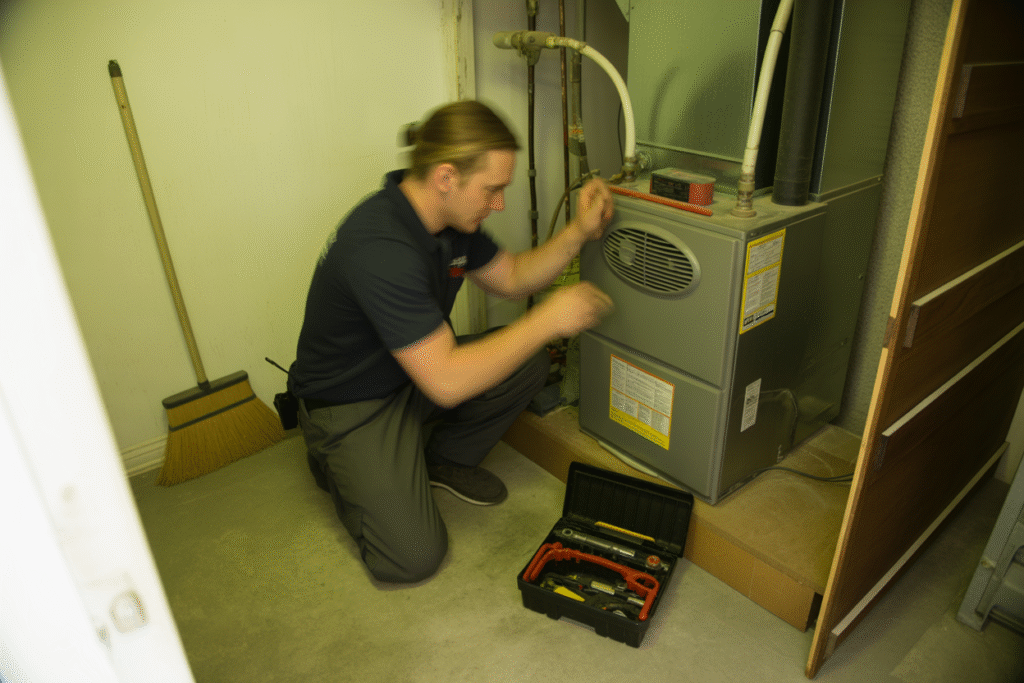
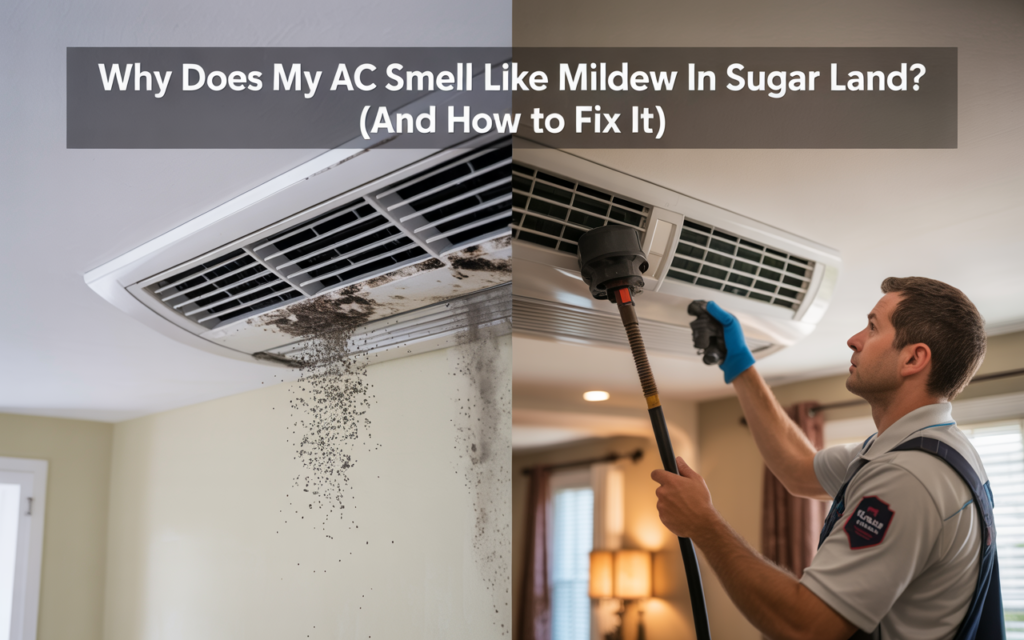
Why Does My AC Smell Like Mildew in Sugar Land? (And How to Fix It)
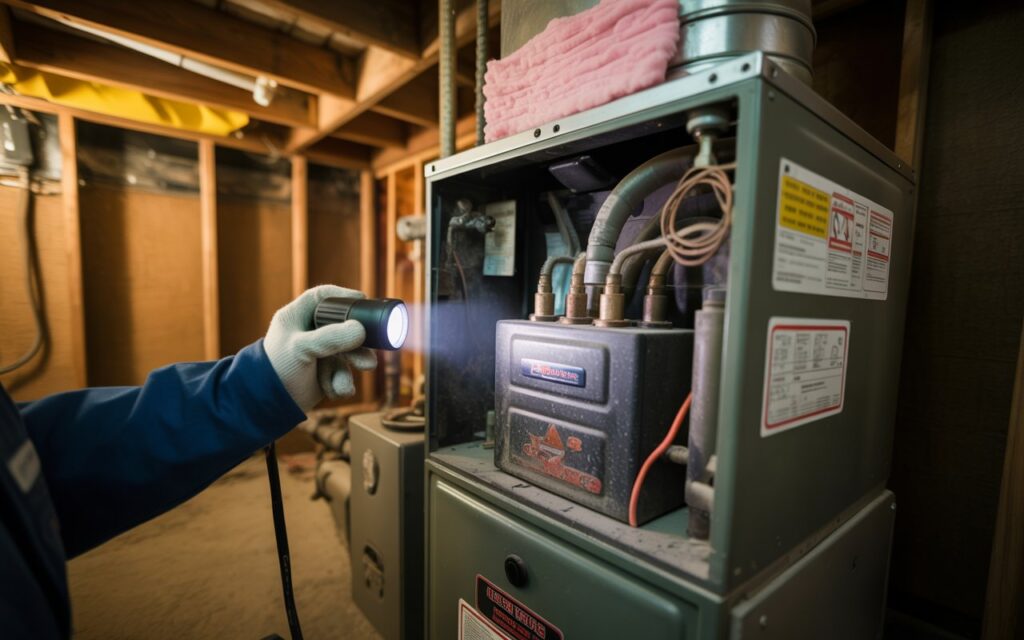
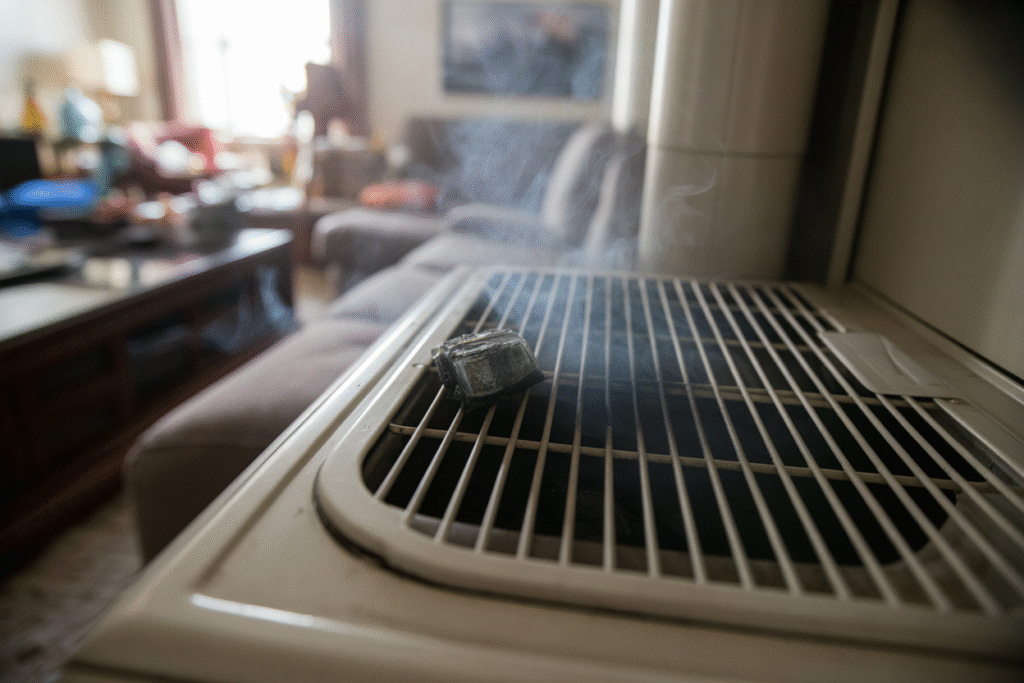
You walk into your Sugar Land home after a long day, flip on the air conditioner, and within minutes that unmistakable musty, mildew smell fills your living room. It’s not just unpleasant—it makes you wonder what’s growing inside your AC system and whether the air you’re breathing is actually making your home less healthy. If your AC smells like mildew, you’re not imagining things, and you’re definitely not alone. Sugar Land’s hot, humid climate creates perfect conditions for mold and mildew growth in air conditioning systems. The good news is that this problem has clear causes and effective solutions, from quick fixes you can try today to professional treatments that prevent the smell from returning. Let’s walk through exactly why your AC develops that mildew odor and what you can do about it. Why Mildew Loves Sugar Land Air Conditioners Your air conditioner does more than just cool your home. It also removes humidity from indoor air as part of the cooling process. When warm, humid air passes over your AC’s cold evaporator coil, moisture condenses and drips into a drain pan, then flows out through a condensate drain line. This constant presence of moisture creates an environment where mold and mildew can thrive, especially here in Sugar Land where outdoor humidity stays high most of the year. Even small amounts of standing water or persistent dampness provide everything these organisms need to grow and multiply. Several specific conditions make mildew growth more likely: Your evaporator coil stays damp between cooling cycles, and if dust or organic material has accumulated on the coil, mildew finds both moisture and food sources. The drain pan beneath this coil can hold standing water if the drain line clogs or drains slowly. Your ductwork can trap moisture, particularly if you have leaks pulling in humid air from your attic or if condensation forms on cold duct surfaces. And your air filter, when dirty, becomes damp from condensation and provides an ideal surface for mildew growth. Sugar Land’s climate makes these problems worse than in drier regions. Our long cooling season means AC systems run almost constantly from April through October, creating continuous moisture. High outdoor humidity means more water gets pulled from indoor air. And warm temperatures year-round mean mildew never goes dormant the way it might in climates with distinct winters. What That Mildew Smell Really Means When you smell mildew from your AC vents, you’re detecting volatile organic compounds released by actively growing mold and mildew. This isn’t just an odor problem. It means these organisms are established somewhere in your system, releasing spores into the air circulating through your home. For most healthy people, mildew exposure causes minor irritation like sneezing, coughing, or aggravated allergies. But for family members with asthma, respiratory conditions, or compromised immune systems, mold and mildew in your AC system can trigger more serious reactions. The smell also indicates moisture problems that affect your AC’s efficiency and potentially its lifespan. Systems with clogged drain lines or excessive dampness work harder, consume more energy, and experience more frequent failures. Quick Fixes You Can Try Today Before calling for professional help, a few simple steps sometimes reduce or eliminate mildew odors, at least temporarily. These solutions work best for minor problems caught early. Replace Your Air Filter Immediately Check your air filter first. Remove it and examine it closely. If it looks gray or brown with accumulated dust, or if you can see any discoloration that might be mildew growth, replace it right away. A dirty, damp filter is often the primary source of mildew odors. During Sugar Land’s humid summers, consider changing filters monthly rather than every three months. The extra moisture in our air makes filters trap more particles and stay damp longer, accelerating mildew growth. Clean Your Return Vents Return vents pull air into your AC system, and their grills often accumulate dust and debris where mildew can grow. Remove return vent covers and wash them with warm, soapy water. While you have them off, use a vacuum with a hose attachment to clean dust from the first few inches of visible ductwork. Check Your Drain Line Locate your AC’s condensate drain line, usually a white PVC pipe exiting near your outdoor unit or in your attic. Make sure water drips freely from this line when your AC runs. If the line is clogged, water backs up into the drain pan where it becomes stagnant and fosters mildew growth. You can try clearing minor clogs by pouring a cup of distilled white vinegar into the drain line access point (usually a T-shaped vent with a cap). Let it sit for 30 minutes, then flush with water. This sometimes clears biofilm and minor blockages causing slow drainage. Run Your AC Fan After trying these steps, set your thermostat fan to “on” instead of “auto” for a few hours. This runs your blower continuously, helping dry out damp components. The increased airflow can reduce mildew growth temporarily, though it’s not a long-term solution. Adjust Your Thermostat If you keep your home very warm to save energy, then cool it dramatically when you return, this temperature cycling creates more condensation and moisture. Maintaining more consistent temperatures reduces the moisture swings that encourage mildew growth. When Quick Fixes Aren’t Enough If you’ve tried these simple solutions and the mildew smell persists or returns within days, the problem exists deeper in your system where homeowners can’t safely or effectively reach. This is when professional AC cleaning and repair become necessary. Professional solutions address mildew problems completely: Deep Evaporator Coil Cleaning Your evaporator coil sits inside your air handler, usually in an attic or closet. This component gets cold during operation, causing moisture to condense on its surface constantly. Over time, dust and organic material accumulate on the coil, and mildew colonizes these damp, dirty surfaces. Professional coil cleaning involves accessing your air handler, carefully cleaning the coil with specialized solutions that kill mildew without damaging delicate aluminum fins, and treating