Heater Making Noise? Banging, Squealing, Whistling — What Each Sound Means and What It Costs to Fix
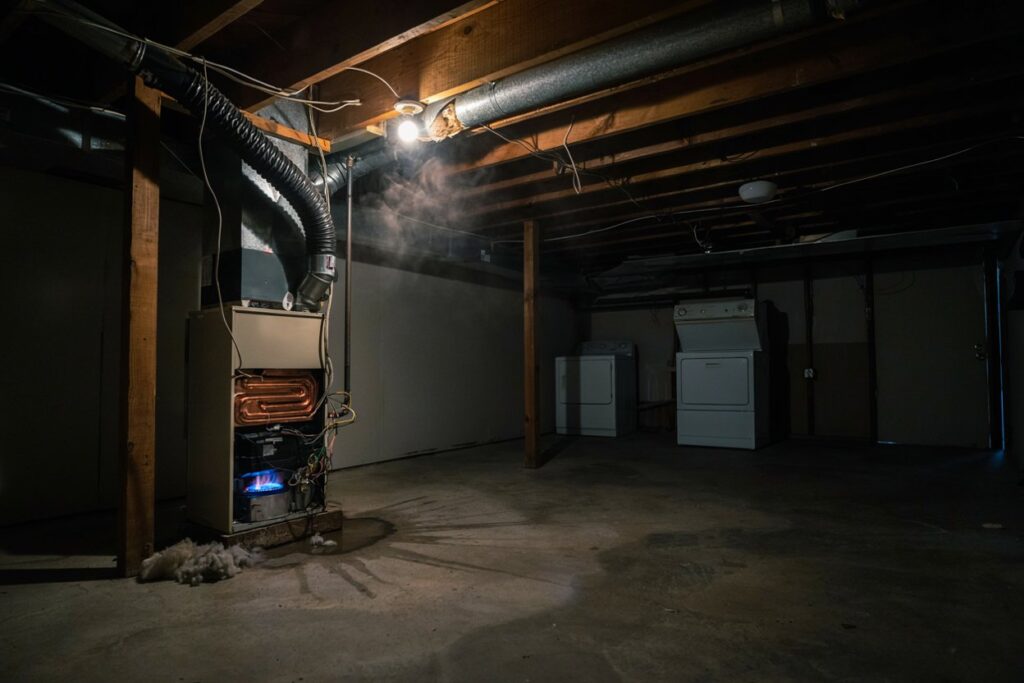
Heater Making Noise? Banging, Squealing, Whistling — What Each Sound Means and What It Costs to Fix Your heater has been running quietly for months. Then one evening you hear it. A bang. A squeal. A whistle that was not there last week. And suddenly you are standing in your hallway wondering whether to ignore it, Google it, or just turn the whole thing off and call someone. Here is the honest truth. Some heating noises are completely harmless and require nothing more than a filter change or a tightened screw. Others are warning signs of something that will get worse and more expensive the longer you ignore it. And a small number of them mean you should stop reading this right now, turn your system off, and call a technician today. This guide tells you which is which. No vague answers. No unnecessary alarm. Just a straight explanation of what each noise typically means for homeowners in Richmond TX, what the urgency level is, and what a fair repair should cost in Fort Bend County. If you are hearing something right now that worries you, call Temper Mechanical at (346) 485-8142. We offer same-day furnace repair in Richmond TX and emergency heater repair throughout Fort Bend County seven days a week. Otherwise, find your noise below and read carefully. Noise 1: Banging or Booming at Startup — Take This One Seriously Of all the noises on this list, a loud bang or boom when your furnace first kicks on is the one that deserves the most immediate attention. This sound is almost always caused by delayed ignition. Here is what that means in plain terms. When your furnace starts a heating cycle, gas flows into the burner chamber and the igniter lights it immediately. That is how it is supposed to work. When something interferes with that process, whether it is a dirty burner, a weak igniter, or a gas pressure issue, the gas continues flowing for a second or two before it finally ignites. By that point there is more gas in the chamber than there should be and when it does light, it ignites with a small explosion. That is the bang you are hearing. Do this once and it is a warning. Do it repeatedly over weeks or months and the repeated pressure bursts can crack your heat exchanger. A cracked heat exchanger is one of the most serious HVAC problems a homeowner can face because it allows combustion gases including carbon monoxide to mix with the air circulating through your home. The size of the bang matters. A small thump might be a minor ignition delay that a burner cleaning can resolve. A loud boom that makes you jump is more serious and warrants an immediate call. What a professional will do: Clean the burners to ensure proper gas flow, check the igniter for wear and replace it if necessary, test gas pressure and valve timing, and inspect the heat exchanger for any existing cracks. Cost to expect: Burner cleaning runs $100 to $200. Igniter replacement is $150 to $300. If a cracked heat exchanger is found, repair or replacement ranges from $500 to $2,000 depending on the severity and the age of the unit. Urgency level: High. Do not keep running a furnace that bangs at startup without having it inspected. Noise 2: Squealing or Screeching — Your Blower Motor Is Telling You Something A high-pitched squeal or screech coming from your furnace or air handler is one of the more unnerving sounds a homeowner can hear. The good news is that it is usually not dangerous. The less good news is that it will not fix itself and it will get worse. In almost every case, this sound points to one of two things. Either the blower motor bearings are wearing out, or the blower belt is fraying or slipping. Older furnaces used belt-driven blower motors where a rubber belt transferred power from the motor to the fan wheel. Newer systems use direct drive motors without belts, but the bearings inside them still wear out over time. When bearings wear out they generate friction. Friction generates heat. Heat accelerates wear. Eventually the motor seizes entirely and your furnace runs but no air moves through your home at all. At that point what would have been a simple repair becomes a full motor replacement. You can sometimes extend bearing life temporarily by lubricating the motor ports if your unit has accessible oil ports, but this is a short term measure. If the squeal is consistent and loud, you are past the lubrication stage. What a professional will do: Inspect the blower motor, belt if applicable, and bearings. Lubricate if still viable or replace the motor or belt as needed. Cost to expect: Belt replacement runs $100 to $200. Blower motor replacement is $300 to $600 depending on the motor type and your system’s age. Urgency level: Medium to high. Schedule a service call within the week. Do not wait until the motor fails completely because that usually happens on the coldest night of the year. Noise 3: Whistling — Your System Is Struggling to Breathe A whistling sound from your HVAC system is almost always an airflow problem. Think of it the same way you think of wind whistling through a gap in a window or door. Air is being forced through a space that is too small for the volume trying to pass through it. The most common causes in Richmond TX homes include a severely clogged air filter creating a pressure differential that forces air through small gaps, leaks or gaps in your ductwork where air escapes under pressure, a return air grille that is partially blocked or incorrectly sized for your system, and a damper inside your ductwork that has partially closed or become stuck. Start with the simplest fix first. Check your air filter. If it is visibly dirty or has been in place for more than 6 weeks