Why Your HVAC Technician Should Take Photos During Service — What Richmond TX Homeowners Deserve to Know
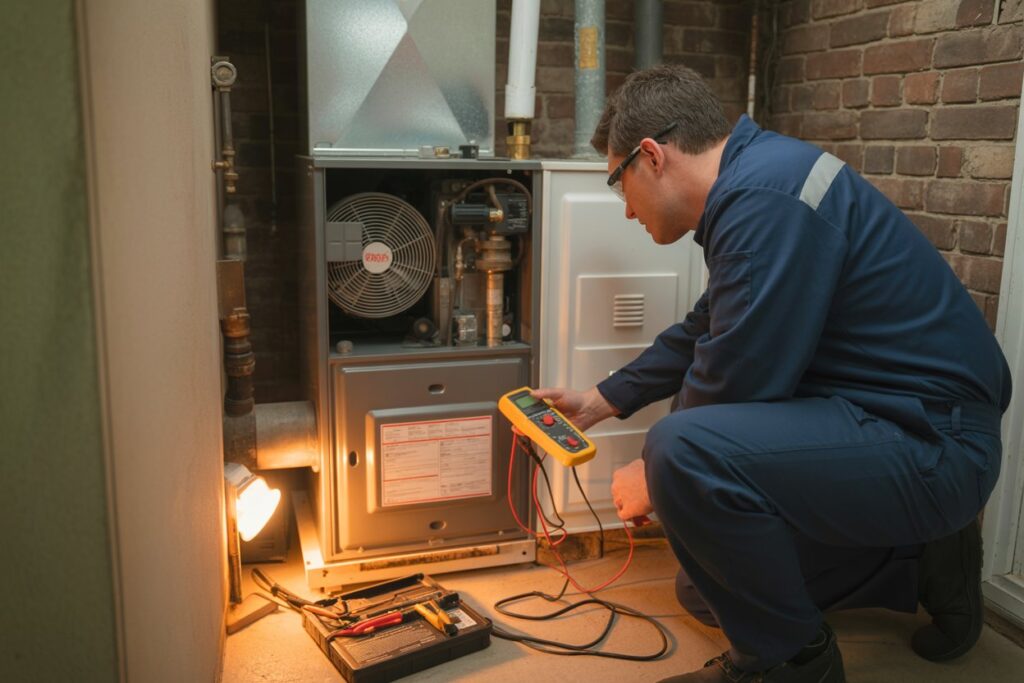
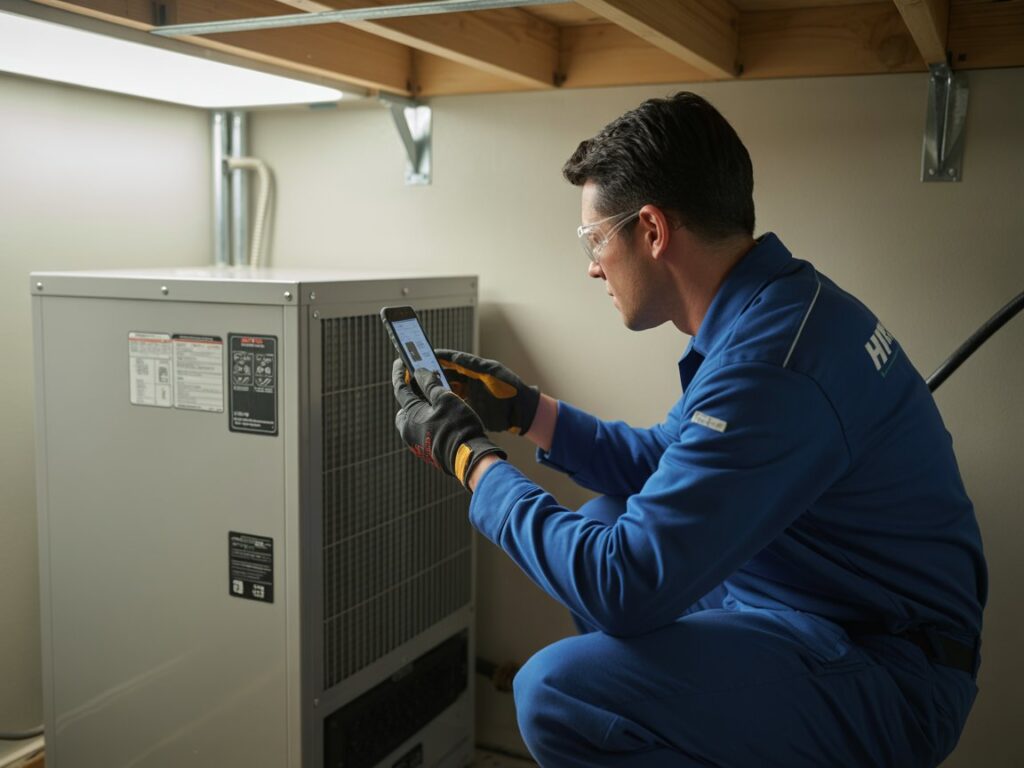
Most homeowners in Richmond TX have had a similar experience at some point. A technician shows up, disappears into the attic or crawls behind the unit, comes back out after twenty minutes, and tells you something is wrong. Maybe they show you a number on a gauge or mention a part that needs replacing. You nod along, trust that they know what they are talking about, write the check, and hope for the best. That is the standard experience. And for a long time, most homeowners did not know there was a better one. Recently, one of our customers named Julie shared her experience after a service visit with our technician Terry. What stood out to her was not just that the problem got fixed. It was that Terry took photos throughout the entire service call and walked her through every single one of them before leaving. She said it changed the way she understood her own home and made her feel genuinely respected as a customer. That feedback stayed with us because it pointed to something important. Photo documentation during an HVAC service visit is not a bonus feature or something only high-end service companies do. It is what professional, accountable service actually looks like. And most homeowners in Richmond TX have no idea they should be expecting it. This article is going to explain exactly why it matters, what a good technician should be capturing during a visit, and how those photos protect you in ways that go well beyond the service call itself. The Problem With “Just Trust Me” HVAC Service HVAC systems are tucked away in attics, closets, mechanical rooms, and tight utility spaces. Most homeowners never see the inside of their air handler, the condition of their coil, the state of their ductwork connections, or what is happening around their drain pan. You rely entirely on what a technician tells you because there is simply no practical way for you to verify it yourself. This creates an uncomfortable dynamic. You are making financial decisions, sometimes significant ones, based entirely on the word of someone you may have just met. Most technicians are honest and competent. But without documentation, there is no way to verify what was found, what was done, or why a particular repair or replacement was recommended. That is not a healthy position to be in as a homeowner. And a technician who understands real professional service knows this. Taking photos is one of the most straightforward ways to fix that imbalance entirely. View All Live Google Testimonials What Good Technicians Actually Capture During a Service Call Photo documentation is not about snapping a few random pictures to look thorough. A technician who does this properly knows exactly what to capture and why each image matters to you as the homeowner. The Condition of the System Before Any Work Begins Before a professional technician touches anything, they document the current state of your equipment. This includes the overall condition of the unit, any visible damage, rust, wear, or signs of previous repairs. This matters because it establishes a baseline. If a question ever arises later about whether something was already like that before they arrived, the photos answer it clearly. Any Specific Problem Areas Found During Inspection When a technician finds a refrigerant leak, a cracked heat exchanger, a failing capacitor, a clogged drain line, or dirty evaporator coils, a photo of that exact issue is worth more than any verbal explanation. You can see what they are describing. You can understand the severity visually rather than trying to interpret technical language you may have never heard before. And if you want a second opinion, you have something concrete to show another professional. Measurements and Readings in Context Refrigerant pressure readings, temperature differentials, electrical readings, these are numbers that mean very little to most homeowners without context. A good technician photographs their gauges and meters alongside the component being tested so you can see that the reading is real, current, and relevant to your specific system. It removes any ambiguity about where those numbers came from. The Work Completed After repairs are made, a new capacitor installed, coils cleaned, or a drain line flushed, photos of the completed work give you a clear record of what was done. This becomes your documentation of service history, which is genuinely useful for warranty purposes, future technician visits, and if you ever decide to sell your home. The Condition of the System After the Visit Closing photos that show your system cleaned, secured, and functioning properly complete the picture. You can see the before and after without having to climb into your attic or crouch behind your unit to check. How Photos Protect You as a Homeowner Beyond transparency, photo documentation serves some very practical protective functions that most homeowners have never considered. They Create Accountability When a technician knows they are documenting their work visually, it naturally raises the standard of that work. Every step is recorded. Every finding is captured. That level of accountability benefits both sides of the service relationship. You get confidence that the work was done properly, and the technician has a clear record that protects them from false claims as well. They Support Warranty Claims Many HVAC equipment warranties require documented proof of regular professional maintenance. If your system develops a problem and you need to make a warranty claim, having dated photos from each service visit strengthens your case significantly. Verbal assurances that your system was maintained do not hold up the way actual documentation does. They Help Future Technicians Serve You Better When a different technician visits your home in the future, either for a follow-up or because you called someone else for a second opinion, photos from previous visits give them real context. They can see what was found before, what was repaired, and what the condition of the system looked like at a specific point in time. That continuity of information leads to better diagnostics