Temper Mechanical

Uncategorized

How to Choose the Right Commercial HVAC Company Near Me: The Complete Guide for Local Businesses in Richmond TX
Uncategorized

How to Choose the Right Commercial HVAC Company Near Me: The Complete Guide for Local Businesses in Richmond TX

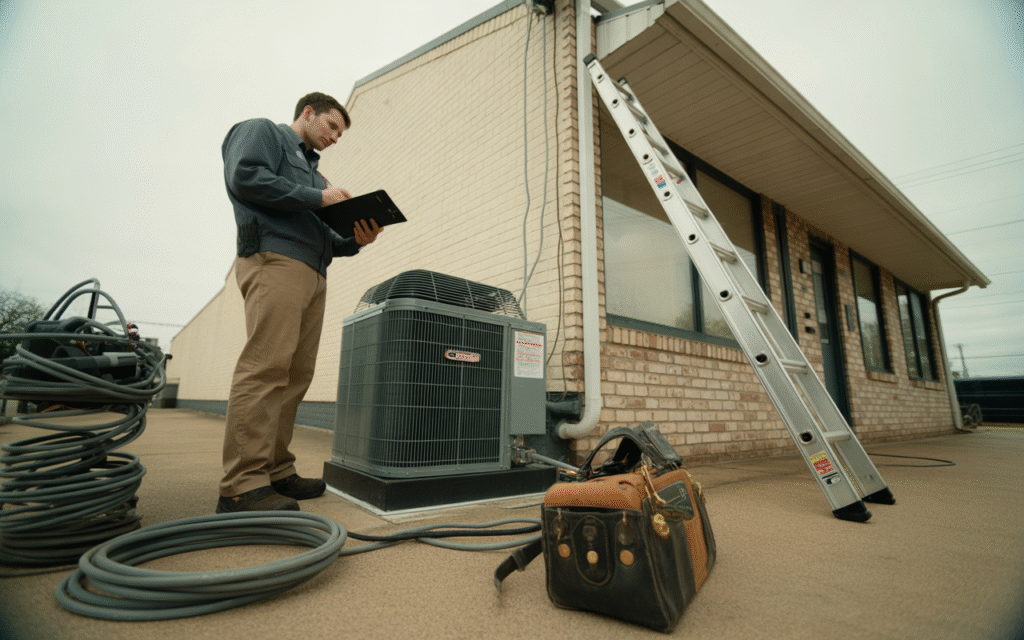
Running a business in Richmond Texas comes with its own set of challenges. You deal with long stretches of humid heat, unexpected cold fronts, and the steady seasonal shifts that place real pressure on your heating and cooling equipment. A dependable commercial HVAC system is not a luxury in this region. It is the backbone of a comfortable building and the foundation for employee productivity, customer satisfaction, and controlled energy expenses. This guide brings together everything local business owners want to know about choosing the right HVAC partner, recognizing when a system needs service, and protecting their investment through professional maintenance. The insights you are about to read come from years of working with restaurants, offices, retail spaces, warehouses, and small businesses across Richmond, Sugar Land, Katy, Pearland, Missouri City, and the surrounding areas. The goal is to simplify decision making and give you clarity about your heating and cooling needs. How to Choose the Right Commercial HVAC Company Near Me Finding the right HVAC company is not always simple. A commercial system is more complex than a home unit, and business downtime can be expensive. The company you choose should understand the climate in Richmond and have the training, equipment, and experience to handle your specific building type. Start by looking for a contractor that is licensed, bonded, insured, and certified. Technicians who hold respected credentials show a commitment to training and safety. Local experience matters just as much because commercial HVAC needs in Richmond are shaped by high humidity, long cooling seasons, and mixed use buildings. A trustworthy company communicates clearly, provides written estimates, explains the problem in a way that makes sense, and respects your time. They should show up when they say they will, work neatly, and treat your building like their own. Look for online reviews from other businesses and pay attention to how quickly the team responds in urgent situations. A company that takes days to answer the phone will not be a reliable long term partner.aC Top Signs Your Commercial HVAC System Needs Service Immediately Commercial HVAC systems rarely fail without early warning signs. The problem is that many of these signs are easy to overlook during a busy day. If you notice uneven temperatures, rising utility bills, loud noises, or unusual smells, something inside the system is not operating correctly. When Richmond is in peak summer heat, any drop in cooling performance can quickly create an uncomfortable environment. If employees complain about heat, stale air, or poor airflow, take it seriously. These symptoms often point to clogged coils, failing compressors, or blower issues. Water leaks around the furnace or rooftop unit are another clear sign that service is needed. Moisture inside a commercial space can damage inventory and create safety hazards. Burning smells should never be ignored. Electrical components may be overheating or failing. When you address these signs early, you avoid larger failures that can cost the business far more in repairs and downtime. Why Local Businesses Should Prioritize Preventative HVAC Maintenance Preventative maintenance is one of the smartest investments a commercial property owner can make. Richmond weather places heavy demand on systems throughout the year. Heat waves fill the units with moisture and pollen. Winter cold can strain aging heat exchangers and motors. A maintenance plan keeps everything running smoothly. It improves energy efficiency, reduces the risk of costly breakdowns, and extends the lifespan of your equipment. It also gives business owners peace of mind because potential issues are identified before they escalate. Employees stay comfortable. Customers stay happy. And the business avoids interruptions. When a commercial unit is cleaned, calibrated, and inspected regularly, it performs better and uses less electricity. Over time, the savings can be significant, especially for large buildings. Commercial HVAC Near Me: What Local Companies Should Expect During a Service Visit A professional HVAC service visit should feel structured and transparent. Technicians should arrive on time, explain what they will be doing, and give an honest overview of expected findings. For most Richmond businesses, a service visit includes a full inspection of indoor and outdoor units, thermostat settings, electrical components, refrigerant levels, blower motors, belts, filters, and drainage lines. The technician tests airflow and checks the temperature split to confirm the system is operating within normal range. Coils are inspected for dirt and buildup, and electrical connections are tightened. If anything is worn down or at risk of failure, the technician should explain the issue clearly and provide options. A good commercial HVAC company does not rush. They make sure you understand the condition of your equipment and what steps will keep the system operating at peak performance. How Commercial HVAC Impacts Employee Comfort and Productivity The connection between HVAC performance and workplace productivity is often underestimated. When temperatures rise, employees fatigue faster. When the air becomes stale or humid, concentration drops. Richmond businesses feel this more than most because summer stretches can last for weeks. Comfortable employees stay focused, make fewer mistakes, and feel more valued. Customers also notice when they walk into a building that feels cool, fresh, and clean. Poor indoor air quality can lead to headaches, allergy symptoms, and inconsistent morale. Investing in a reliable commercial HVAC system creates an environment where people perform at their best. How Often Should Commercial HVAC Units Be Serviced Most commercial HVAC systems in Richmond should be serviced at least twice a year. Heating systems need care before winter arrives, and cooling systems need attention before the summer heat settles in. In some buildings with heavy use, quarterly maintenance is recommended to keep performance consistent. Regular service helps prevent surprise failures. It also ensures the system continues to meet the needs of large spaces, server rooms, kitchens, and areas where temperature control is essential. Commercial HVAC Energy Efficiency Tips for Local Businesses Energy costs can rise quickly during long cooling seasons. Local businesses can improve efficiency by keeping filters clean, sealing leaks around doors and windows, adjusting thermostat schedules, and maintaining proper insulation. Smart thermostats

Why Does My Heater Smell Like Burning Plastic? A Richmond TX Homeowner's Guide
Uncategorized

Why Does My Heater Smell Like Burning Plastic? A Richmond TX Homeowner’s Guide

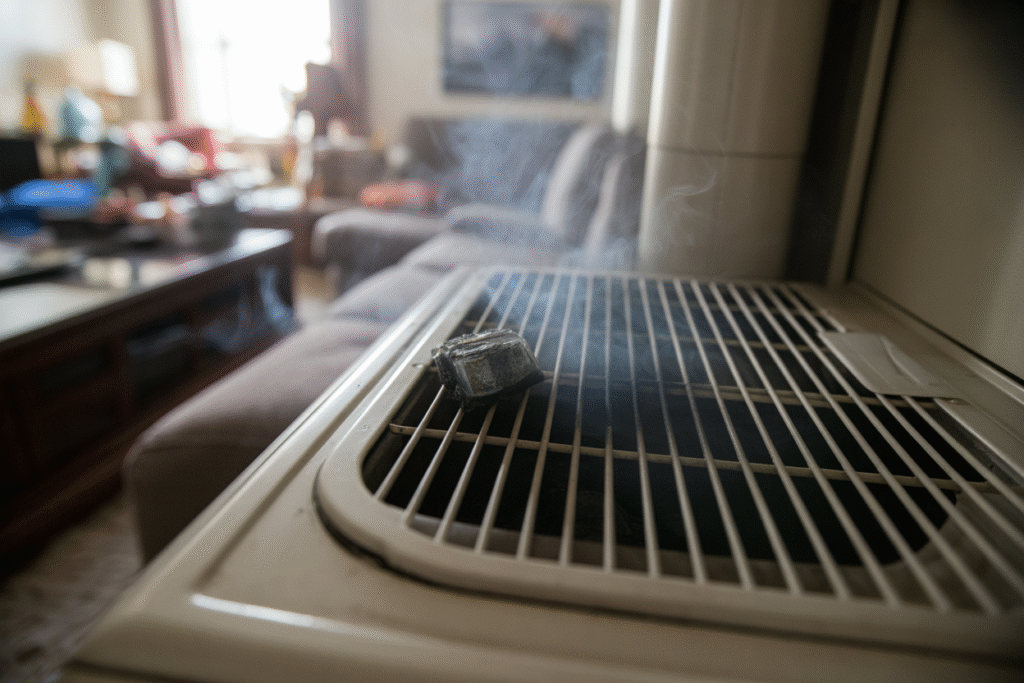
You flip the thermostat to heat for the first time this season, and within minutes, your home fills with a strange burning plastic smell. Your stomach drops a little. Is something wrong? Is it dangerous? Should you turn everything off and call someone right now? If you’re a homeowner in Richmond, this scenario probably feels familiar. We don’t use our heaters constantly like folks up north do. Our systems sit quiet through long stretches of mild weather, then suddenly kick on when temperatures drop into the 30s or 40s overnight. That first startup often brings surprises, and a burning smell ranks high on the list of things that make people nervous. Here’s the truth: some burning smells are completely normal and harmless. Others signal real problems that need immediate attention. The challenge is knowing which is which, especially when you’re standing in your living room trying to decide if you should be worried or not. At Temper Mechanical Air & Heat, we’ve responded to countless calls from families throughout Richmond, Pecan Grove, Greatwood, and Rosenberg who smelled something burning and didn’t know what to do. We’ve seen everything from harmless dust burning off to serious electrical issues that needed immediate repair. This guide walks you through the most common reasons your heater smells like burning plastic, helps you understand when it’s safe to wait and watch, and gives you clear steps for what to do right now. Let’s start by talking about what’s actually happening inside your heating system when that smell appears. The Most Common Reasons Your Heater Smells Like Burning Plastic When you notice a burning smell from heater vents, several different issues could be causing it. Understanding each possibility helps you assess your specific situation and make smart decisions about what comes next. Dust Burning Off Components This is the most common explanation, and fortunately, it’s also the most harmless. During the months your heater sits unused, dust settles on every surface inside your system. It coats the heat exchanger, accumulates on the blower motor housing, and layers across electrical components. When you finally turn on your heat, these components get hot, and the dust burns off. The smell this creates often resembles burning plastic, though some people describe it as musty or slightly acrid. It typically appears within the first few minutes of operation and gradually fades as the dust burns away. If your system has been off for six or seven months, you might notice this smell for 20 to 30 minutes before it completely disappears. Richmond homes experience this more than places with consistent heating use. We might go from October through January with barely any heat, then suddenly hit a cold snap where the system runs continuously for days. That long dormant period gives dust plenty of time to accumulate, making the initial burning smell stronger when you finally need heat. If the smell is mild, fades quickly, and doesn’t return after the first hour or so of operation, dust is probably the culprit. Keep an eye on it, but you likely don’t need immediate professional help. Plastic Debris Inside Vents or Near Returns Sometimes the burning smell comes from actual plastic melting, but not from your HVAC system itself. Kids drop toys into floor vents. Shopping bags get sucked against return grills. Plastic storage bins sit too close to supply registers. When your heater starts blowing hot air, these items heat up and produce that distinctive burning plastic smell. We’ve pulled some surprising things out of ductwork over the years. Action figures, small plastic cars, pieces of packaging material, and once, an entire roll of plastic wrap that somehow made its way into a return vent. The smell these items create is usually stronger than burning dust and doesn’t fade as quickly since the plastic keeps melting as long as hot air flows. Walk around your home and check every floor register and return grill. Look for anything plastic nearby or anything that might have fallen into vents. If you find something, carefully remove it if you can reach it safely. If it’s deep in the ductwork, you’ll need professional help to retrieve it before it causes more problems or creates a fire hazard. This explanation makes particular sense in homes with young children or in rooms where you store seasonal items. Greatwood and New Territory homes with finished game rooms or playrooms in second stories often have this issue because kids play near floor vents without adults noticing. Overheated Blower Motor Your blower motor is the hardworking component that pushes heated air through your ductwork and into your home. These motors run on bearings that need occasional lubrication, and they have electrical components that can overheat under certain conditions. When a blower motor struggles, whether from worn bearings, excessive dust buildup, or electrical stress, it generates heat beyond normal operating temperatures. As the motor housing and nearby components overheat, they can produce a burning plastic smell. The motor casing itself is often made from heat-resistant plastic or has plastic insulation on wiring, and when things get too hot, these materials start to smell before they actually melt or fail. The heater smells like plastic from an overheating blower motor usually accompanies other symptoms. You might hear unusual noises like squealing, grinding, or humming louder than normal operation. Airflow might seem weaker than usual. The smell typically intensifies the longer the system runs and doesn’t fade like dust burning off would. Blower motors overheat for several reasons. Clogged filters restrict airflow, forcing the motor to work harder. Lack of lubrication causes friction that generates excess heat. Electrical issues like failing capacitors make the motor struggle to start and run. Whatever the specific cause, an overheating blower motor needs professional attention before it fails completely or creates a genuine fire hazard. This problem appears more frequently in Richmond’s older neighborhoods where homes still have original HVAC equipment from the 1990s or early 2000s. Those motors have logged thousands of hours and might

Learn More About Our HVAC Maintenance Plans
Uncategorized

Learn More About Our HVAC Maintenance Plans

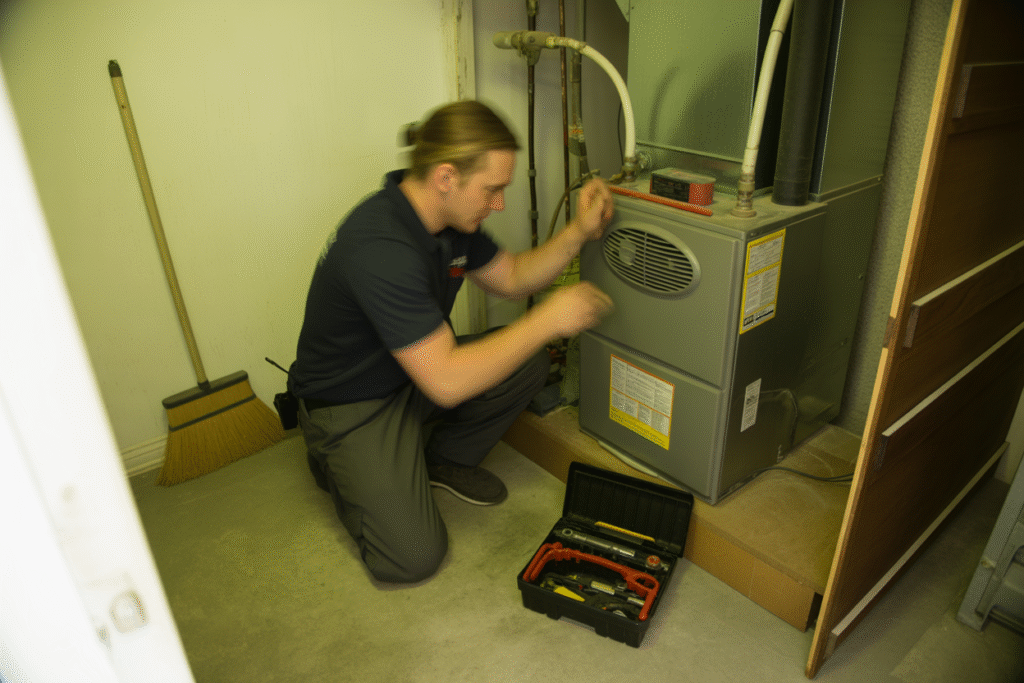
Why HVAC Maintenance Matters More Than Homeowners Realize Think about the last time you changed the oil in your car. You probably didn’t wait until the engine started making strange noises or until you broke down on the side of the road. You scheduled regular oil changes because you know that small investment prevents major problems down the line. Your home’s heating and cooling system deserves the same kind of attention, yet most homeowners never think about their HVAC equipment until something goes wrong. The truth is, your air conditioner and heater work incredibly hard, especially here in Texas where we rely on cooling for most of the year and still need reliable heat during winter cold snaps. These systems run thousands of hours annually, moving air, maintaining temperatures, and keeping your family comfortable through every season. Without regular care, small issues that could be fixed easily turn into expensive emergencies that always seem to happen at the worst possible moment. Regular HVAC maintenance isn’t just about avoiding breakdowns, though that’s certainly part of it. It’s about keeping your home consistently comfortable, protecting your investment in expensive equipment, breathing cleaner air, and not watching your hard-earned money disappear through inefficient operation. When you understand what proper maintenance actually delivers, it stops feeling like an expense and starts looking like one of the smartest investments you can make in your home. What an HVAC Maintenance Plan Really Is If you’ve never had a maintenance plan before, you might wonder what makes it different from just calling for service when something breaks. The difference is significant, and it changes your entire relationship with your home comfort system. A maintenance plan is a proactive approach where a professional technician visits your home on a regular schedule to inspect, clean, and tune your HVAC equipment before problems develop. Instead of reacting to failures, you’re preventing them. Instead of hoping your air conditioner starts when you need it, you know it will because someone who understands these systems has already verified everything works properly. Think of it as the difference between going to the doctor only when you’re sick versus having annual checkups that catch health issues early when they’re easier to address. One approach is reactive and often more expensive and stressful. The other is preventative and gives you control over your situation. A one-time tune up certainly helps in the moment, but it doesn’t provide ongoing protection or build a relationship with a service company that becomes familiar with your specific equipment. With a maintenance plan, the same team visits regularly, gets to know your system’s quirks and history, and can spot changes that might indicate developing problems. They become partners in your home comfort rather than strangers you call in emergencies. Plans typically include scheduled visits at intervals that make sense for your equipment and usage patterns. Most include at least annual service, with many homeowners choosing seasonal visits that prepare their air conditioner before summer and their heater before winter. Between scheduled visits, plan members often receive priority service if problems do arise, along with discounts on repairs and other benefits that make the plan even more valuable. The Hidden Benefits Most Homeowners Never Consider Everyone understands that maintenance prevents breakdowns, but the benefits extend far beyond just avoiding emergency repair calls. When we talk with homeowners after they’ve been on a maintenance plan for a year or two, they’re often surprised by improvements they hadn’t expected. Lower energy bills often catch people off guard. A well-maintained system simply uses less electricity to heat and cool your home. When coils are clean, filters are fresh, and everything operates as designed, your equipment doesn’t have to work as hard to maintain comfortable temperatures. Many of our plan members notice their utility bills decrease after we’ve tuned their systems, with the energy savings continuing month after month. Over time, these savings often cover a significant portion of what the maintenance plan costs. Better airflow throughout your home is another benefit people love once they experience it. Rooms that were always too hot or too cold start feeling more comfortable. That bedroom that never quite cooled down finally reaches the same temperature as the rest of the house. This happens because maintenance addresses the small restrictions and imbalances that gradually develop in systems over time. Improved indoor air quality matters more than most people realize until they start paying attention. Regular maintenance includes cleaning components that accumulate dust and changing filters that trap allergens. Your system becomes better at removing particles from your air rather than circulating them. Families with allergies or respiratory sensitivities often notice they feel better at home after starting a maintenance program. Extended equipment lifespan protects what’s likely one of the more expensive systems in your home. HVAC equipment represents a significant investment, and nobody wants to replace it sooner than necessary. Systems that receive regular professional care consistently outlast neglected equipment by years. That extended life delays the need for expensive replacement and maximizes your return on your original investment. Fewer unexpected problems might be the benefit homeowners appreciate most. There’s something deeply frustrating about your air conditioner failing on the hottest day of summer or your heater quitting during a cold spell. Maintenance dramatically reduces these scenarios by catching problems early when they’re small and inexpensive to fix. You gain predictability and control instead of feeling at the mercy of aging equipment. Preserved warranty coverage matters if your equipment is still under manufacturer warranty. Many warranties require documented annual maintenance to remain valid. Skipping service can void your coverage, leaving you responsible for expensive repairs that would otherwise be covered. A maintenance plan ensures you meet these requirements automatically. What Our HVAC Maintenance Plans Include When our technician arrives for a maintenance visit, they’re not just changing your filter and calling it done. Comprehensive service addresses every aspect of your system’s operation and condition. Here’s what actually happens during a typical maintenance appointment. System cleaning removes the

Scroll to Top